Every year, the month of Muharram brings millions of people together in remembrance of one of history’s most profound acts of sacrifice.
The tragedy of Karbala is not merely a historical episode or a religious commemoration but rather a timeless lesson in courage, justice and unwavering faith.
More than thirteen centuries later, the stand of Hazrat Imam Hussain (AS) continues to inspire people across faiths and cultures, reminding humanity that principles must never be surrendered before oppression.
But the question is, why is Imam Hussain (AS) still so appealing in the modern age?
The answer lies in the eternity of his struggle.
Imam Hussain (AS) stood up not for power, territorial expansion or personal ambition.
His stand at Karbala was a moral and spiritual opposition to tyranny, injustice and the distortion of truth.
By refusing to pledge allegiance to Yazid, Imam Hussain (AS) chose dignity over servility, truth over expediency and sacrifice over compromise.
The message of Karbala remains profoundly relevant in a world still afflicted by corruption, injustice, inequality and moral confusion.
Today, humanity is witnessing extraordinary technological progress, yet moral and ethical crises continue to deepen.
War, oppression, economic exploitation and the suppression of dissent have become the norm in many parts of the world.
In such circumstances, Imam Hussain’s (AS) stand serves as a timeless guide to morality. His life reminds us that to remain silent in the face of injustice is to become complicit in it.
Karbala is a powerful reminder that numbers alone do not determine what is right.
Imam Hussain (AS) and his small group of followers demonstrated that courage, faith and conviction can overcome fear and oppression.
Their sacrifice continues to inspire ordinary people to stand for justice, even in an age when many feel powerless before institutions and systems.
Another important lesson from the life of Imam Hussain (AS) is the importance of safeguarding human dignity.
Despite the unbearable loss of his loved ones and the suffering of thirst, he remained unwavering in his principles.
He showed that true success is not measured by worldly victories, but by remaining steadfast in one’s values.
The sacrifice of Imam Hussain (AS) is not confined to religious boundaries.
His stand has been admired by leaders, scholars and thinkers from different faiths and walks of life throughout history because it represents universal human values.
For young people in particular, Karbala offers enduring lessons in integrity, courage, compassion and social responsibility.
In an age dominated by social media, short attention spans, reels and passing trends, the inspiring story of Imam Hussain (AS) reminds us that meaningful change comes at a price and requires patience, resilience and unwavering dedication to the truth.
Karbala’s message does not lie only in the rituals of mourning or annual commemorations.
It is a living philosophy that calls for constant introspection.
It asks each of us difficult questions: Are we standing on the side of truth? Are we raising our voices against injustice? Are we honouring the dignity of others in our words and actions?
Amid the crises of conscience the world is battling today, the legacy of Hazrat Imam Hussain (AS) is not merely relevant, it is a necessity.
Karbala is not a seventh-century event; it is an eternal struggle between truth and falsehood, justice and oppression, conscience and compromise.
This is why, after hundreds of years, the voice of Imam Hussain (AS) continues to resonate in the conscience of humanity: Never bow down to tyranny. Never stray from the path of truth.
The legacy of Hazrat Imam Hussain (AS) endures because it speaks to the deepest values shared by humanity: justice, dignity, compassion and moral courage.
Karbala reminds us that every generation faces its own tests of conscience and that silence in the face of injustice is never a neutral choice.
As the world continues to grapple with conflict, inequality and ethical challenges, the message of Imam Hussain (AS) remains a beacon of hope and resilience.
His sacrifice was not only for his own time but for all times, urging humanity to stand firm for truth, defend the oppressed and uphold the dignity of every human being.



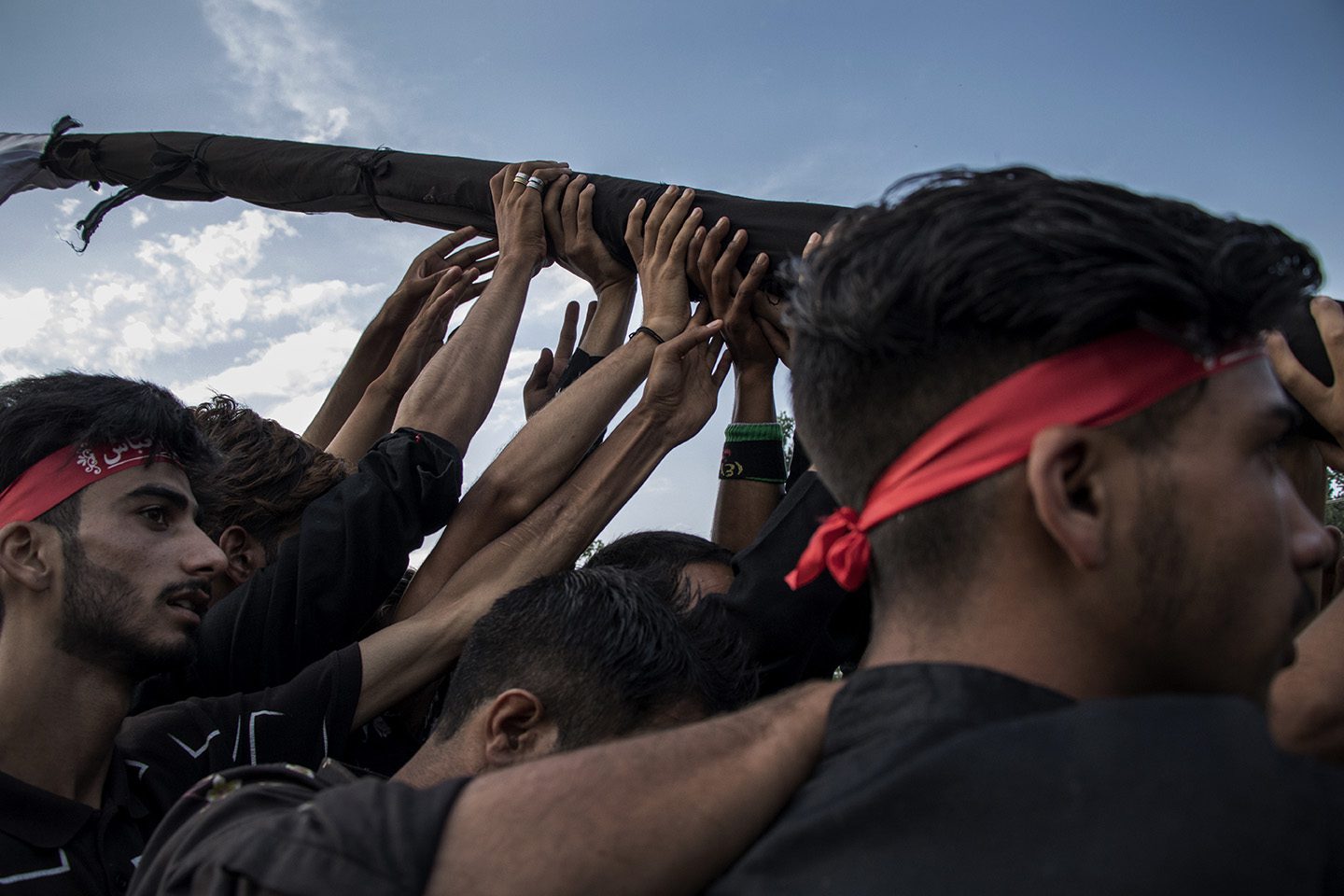










Every year, the month of Muharram brings millions of people together in remembrance of one of history’s most profound acts of sacrifice.
The tragedy of Karbala is not merely a historical episode or a religious commemoration but rather a timeless lesson in courage, justice and unwavering faith.
More than thirteen centuries later, the stand of Hazrat Imam Hussain (AS) continues to inspire people across faiths and cultures, reminding humanity that principles must never be surrendered before oppression.
But the question is, why is Imam Hussain (AS) still so appealing in the modern age?
The answer lies in the eternity of his struggle.
Imam Hussain (AS) stood up not for power, territorial expansion or personal ambition.
His stand at Karbala was a moral and spiritual opposition to tyranny, injustice and the distortion of truth.
By refusing to pledge allegiance to Yazid, Imam Hussain (AS) chose dignity over servility, truth over expediency and sacrifice over compromise.
The message of Karbala remains profoundly relevant in a world still afflicted by corruption, injustice, inequality and moral confusion.
Today, humanity is witnessing extraordinary technological progress, yet moral and ethical crises continue to deepen.
War, oppression, economic exploitation and the suppression of dissent have become the norm in many parts of the world.
In such circumstances, Imam Hussain’s (AS) stand serves as a timeless guide to morality. His life reminds us that to remain silent in the face of injustice is to become complicit in it.
Karbala is a powerful reminder that numbers alone do not determine what is right.
Imam Hussain (AS) and his small group of followers demonstrated that courage, faith and conviction can overcome fear and oppression.
Their sacrifice continues to inspire ordinary people to stand for justice, even in an age when many feel powerless before institutions and systems.
Another important lesson from the life of Imam Hussain (AS) is the importance of safeguarding human dignity.
Despite the unbearable loss of his loved ones and the suffering of thirst, he remained unwavering in his principles.
He showed that true success is not measured by worldly victories, but by remaining steadfast in one’s values.
The sacrifice of Imam Hussain (AS) is not confined to religious boundaries.
His stand has been admired by leaders, scholars and thinkers from different faiths and walks of life throughout history because it represents universal human values.
For young people in particular, Karbala offers enduring lessons in integrity, courage, compassion and social responsibility.
In an age dominated by social media, short attention spans, reels and passing trends, the inspiring story of Imam Hussain (AS) reminds us that meaningful change comes at a price and requires patience, resilience and unwavering dedication to the truth.
Karbala’s message does not lie only in the rituals of mourning or annual commemorations.
It is a living philosophy that calls for constant introspection.
It asks each of us difficult questions: Are we standing on the side of truth? Are we raising our voices against injustice? Are we honouring the dignity of others in our words and actions?
Amid the crises of conscience the world is battling today, the legacy of Hazrat Imam Hussain (AS) is not merely relevant, it is a necessity.
Karbala is not a seventh-century event; it is an eternal struggle between truth and falsehood, justice and oppression, conscience and compromise.
This is why, after hundreds of years, the voice of Imam Hussain (AS) continues to resonate in the conscience of humanity: Never bow down to tyranny. Never stray from the path of truth.
The legacy of Hazrat Imam Hussain (AS) endures because it speaks to the deepest values shared by humanity: justice, dignity, compassion and moral courage.
Karbala reminds us that every generation faces its own tests of conscience and that silence in the face of injustice is never a neutral choice.
As the world continues to grapple with conflict, inequality and ethical challenges, the message of Imam Hussain (AS) remains a beacon of hope and resilience.
His sacrifice was not only for his own time but for all times, urging humanity to stand firm for truth, defend the oppressed and uphold the dignity of every human being.
Recommended for you