


The FIFA World Cup 2026 has delivered a powerful response to critics who questioned whether the expanded 48-team format would dilute the quality of football.
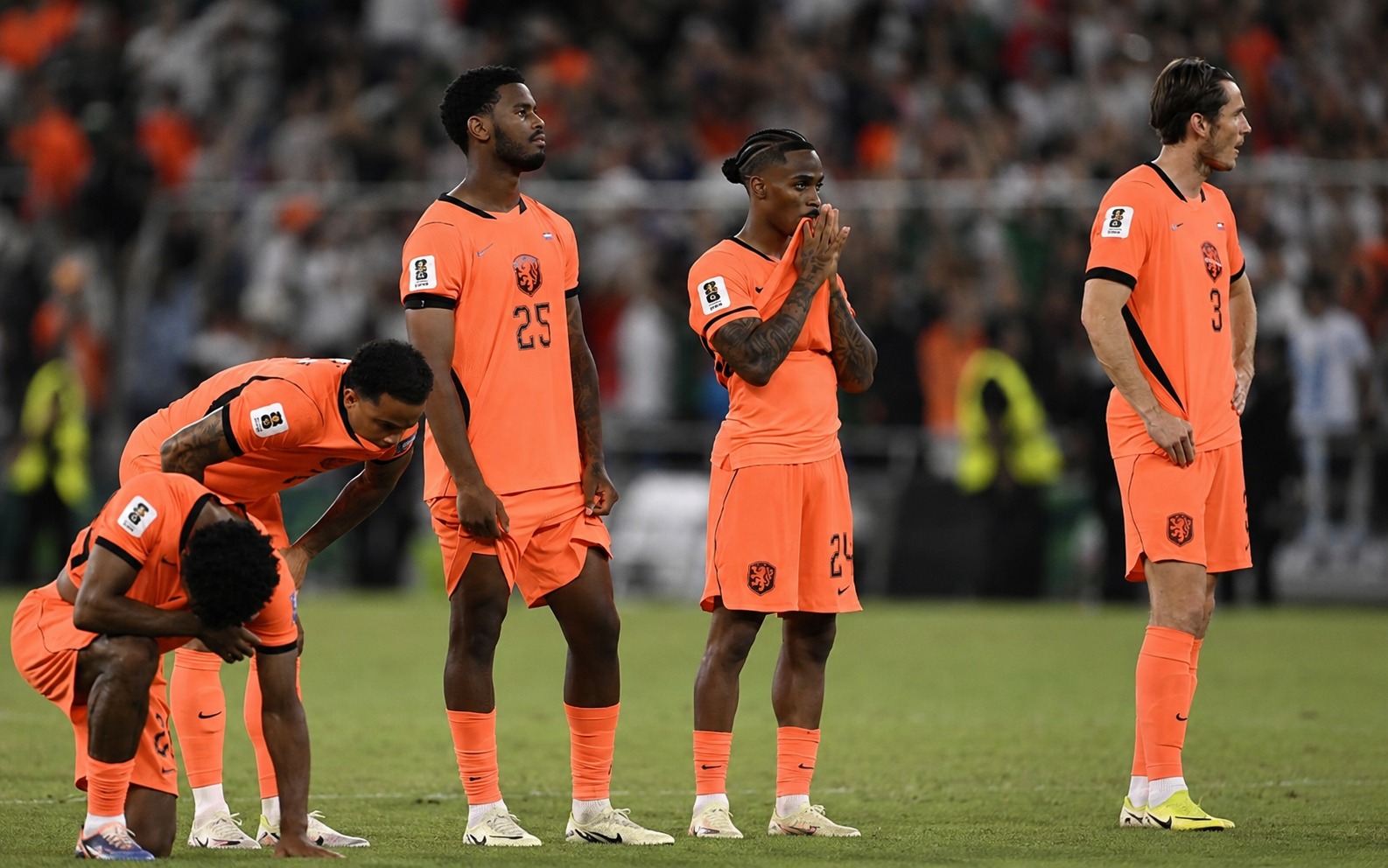
Instead, the Round of 32 has produced some of the biggest upsets in recent tournament history, with Germany and the Netherlands crashing out while Brazil survived a major scare against Japan.
Four-time world champions Germany became the biggest casualty after suffering a 4-3 penalty shootout defeat to Paraguay following a 1-1 draw. Julio Enciso gave Paraguay the lead before Kai Havertz equalised in the second half.
Germany thought they had completed the comeback when Jonathan Tah headed home in extra time, but the goal was ruled out following a VAR review. Paraguay held their nerve in the shootout to secure a famous victory.
The Netherlands also failed to reach the Round of 16 despite entering the knockout stage as Group F winners. Cody Gakpo’s second-half goal appeared enough to seal qualification before Morocco equalised through a stoppage-time header from Issa Diop. Goalkeeper Yassine Bounou then starred in the penalty shootout to send Morocco through.
Brazil avoided joining the list of fallen giants but only after a dramatic finish. Japan took a surprise first-half lead through Kaishu Sano and defended brilliantly for much of the contest. Casemiro eventually restored parity before Gabriel Martinelli struck a 95th-minute winner to secure a hard-fought 2-1 victory.
The results highlight a changing landscape in international football. Nations once considered outsiders have arrived with tactical discipline, confidence and belief, making life increasingly difficult for the traditional powers.
With France, Argentina, England, Spain and Portugal still to begin their knockout campaigns, the message is clear: reputation alone no longer guarantees success. In the expanded World Cup, every favourite is vulnerable once the knockout stage begins.