

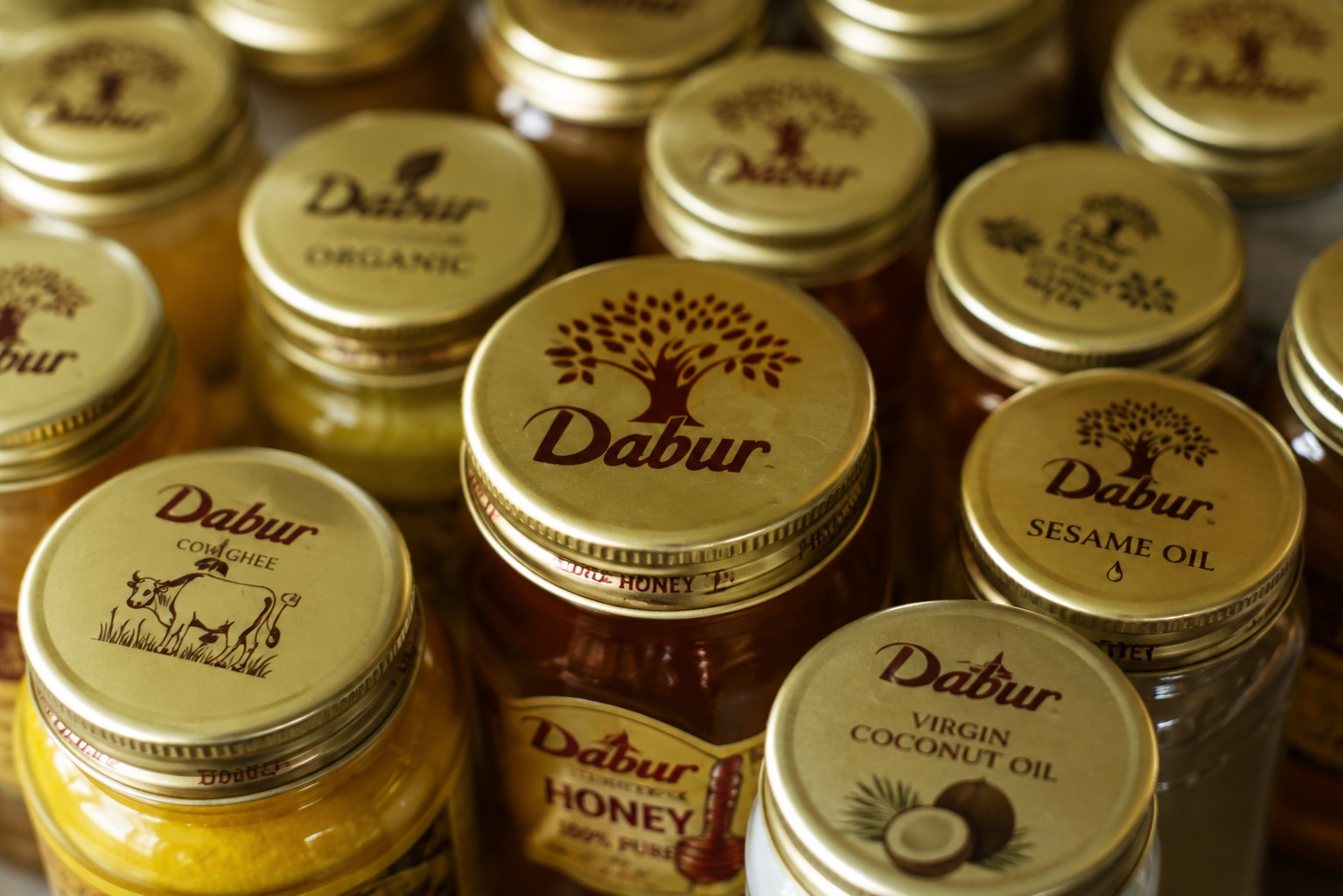

New Delhi: The Food Safety and Standards Authority of India (FSSAI) has barred Dabur India from selling several food products carrying “100 per cent” claims, saying such labelling violates food safety regulations and could mislead consumers.
In a social media post on Monday, August 3, the food regulator said it had issued a prohibition order against Dabur India Ltd over the sale of products marketed with potentially misleading claims. The products include honey, apple cider vinegar, virgin coconut oil, sesame oil, cow ghee, coconut water, coconut milk and others.
According to FSSAI, products listed on Dabur’s website were carrying claims such as “100 per cent Natural”, “100 per cent Pure”, “100 per cent Purity Guaranteed”, “100 per cent Organic” and “100 per cent Tender Coconut Water”.
The regulator said such claims violate the Food Safety and Standards (Advertising & Claims) Regulations, 2018, as they are ambiguous, cannot be objectively verified and may mislead consumers.
Dabur said it had received the notice and was reviewing the content referred to by the regulator on its website.
FSSAI also found that Dabur Himalayan Organic Apple Cider Vinegar and Dabur Organic Honey were displaying the Jaivik Bharat logo without a valid FSSAI organic endorsement.
Dabur Hommade Coconut Milk was also being marketed with a “100 per cent Purity” claim. The regulator said such a claim is not permitted for compound foods under the 2018 regulations.
FSSAI said it had previously issued a notice to Dabur directing the company to discontinue misleading “100 per cent” claims. However, according to the regulator, the company failed to take satisfactory corrective measures.
The regulator has now directed Dabur India to immediately stop selling the products identified in the notice, along with any other food products carrying misleading “100%” claims. It has also asked the company to submit an Action Taken Report within 15 days.
In recent months, FSSAI has increasingly used social media to publicise enforcement actions against food business operators and e-commerce platforms selling food products online.
The regulator’s recent actions have also covered manufacturers of alcoholic beverages and energy drinks.