
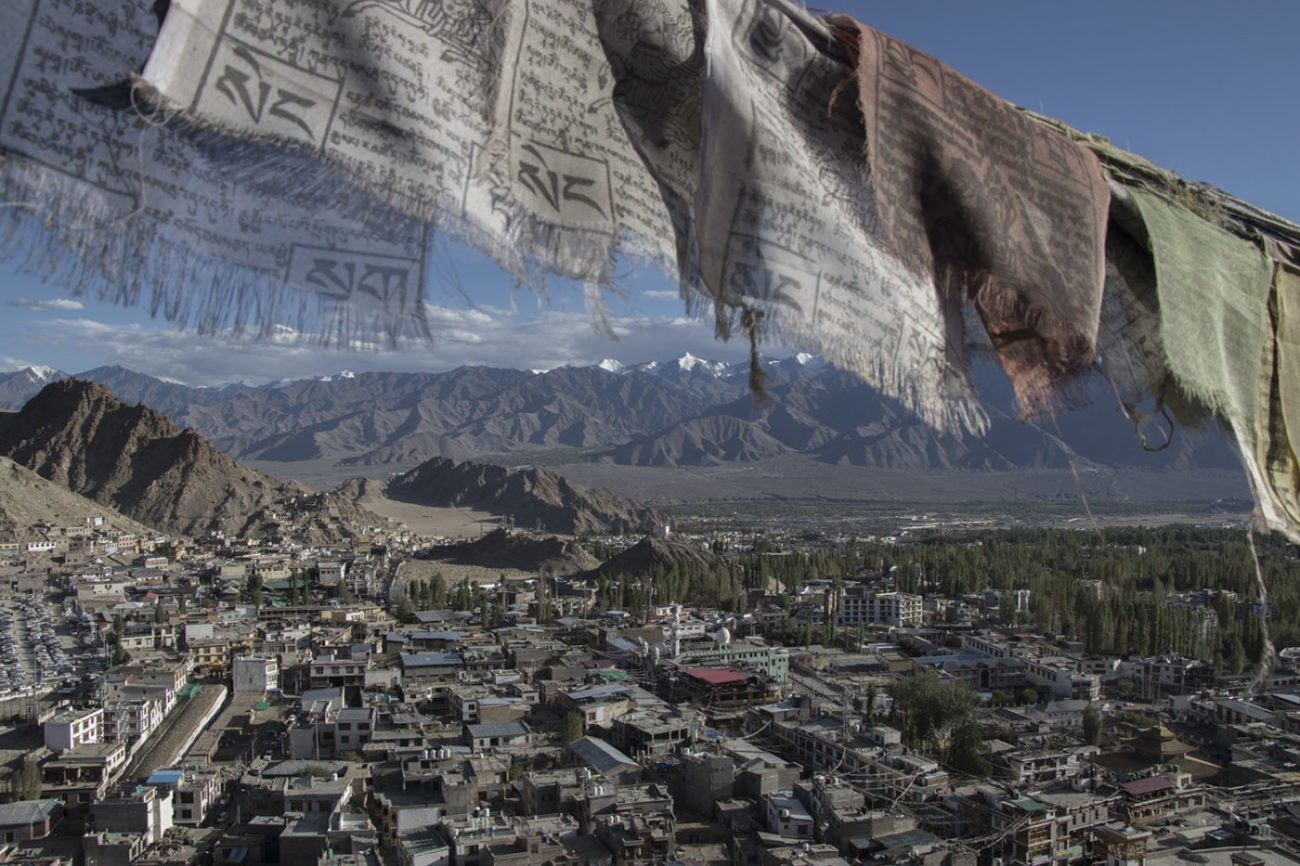

China has once again apposed to India’s move to standardise the names of 28 locations in Ladakh, describing the decision as “illegal and invalid” and asserting its claims over disputed areas along the China-India border.
Chinese Foreign Ministry spokesperson Mao Ning said on Tuesday that Beijing has never recognised the Union Territory of Ladakh, which she described as unilaterally established by India.
Responding to questions about India’s decision to officially name geographical features and disputed border locations, Mao said the move would not alter China’s position that the areas in the western sector of the China-India boundary belong to China.
In response, New Delhi reaffirmed that Ladakh is an “integral and inalienable part of India” and maintained that no objections from Beijing could change this established position.
On October 2, India formally standardised the names of 28 strategic locations and geographical features in Ladakh for inclusion on official maps. The list includes key border friction points such as Gogra and Hot Spring, which witnessed tensions between Indian and Chinese troops during the 2020 military standoff.
According to India’s Ministry of External Affairs, the initiative was undertaken in consultation with the Ladakh administration to improve the accuracy of official maps, ensure consistent identification of locations and increase public awareness of the strategically sensitive region.
Other locations included in the list are Alisha Giri, Brangsa, Chapchingal Pass, Kanishka Peak, Karun Pir Mountain, Kuksel, Martand Giri, Parpik Glacier, Skamri Glacier, Shachmirik Pass, Shkorga Valley and Zorawar Peak.
The list also covers Dehra Compass, Drak Karpo, Jolmori, Kumarayana Point, Panglung, Rinchen Zangpo, Sakyasri Giri, Guru Rinpoche, Shamal Lungpa, Yangpa River, Marpa Lotsava Ri, Milarepa Kangri, Shiva Ri and Maheshwara Ri.
China’s objections followed India’s efforts to formally record these locations on the Survey of India’s official maps. New Delhi maintains that the exercise strengthens administrative clarity and ensures accurate documentation of its territory.
Relations between India and China deteriorated sharply following a violent confrontation in the Galwan Valley in eastern Ladakh in June 2020. The clash was the first deadly military confrontation between the two countries since 1975, resulting in the deaths of 20 Indian soldiers and four Chinese troops, according to official accounts.
Both countries subsequently began disengaging troops from areas around the clash site following multiple rounds of high-level military talks and a prolonged border standoff.
India and China continue to accuse each other of attempting to alter the status quo along their approximately 3,500-kilometre-long disputed border, known as the Line of Actual Control (LAC).