
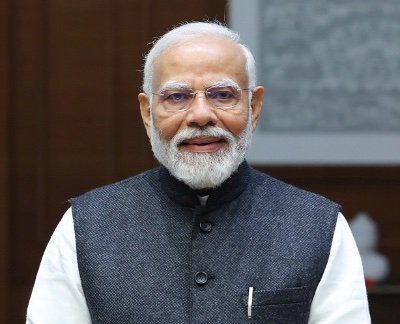

Indian Prime Minister Narendra Modi has issued one of his strongest warnings yet on the fragile state of the global economy, cautioning the Indian diaspora in the Netherlands that years of progress in reducing poverty could unravel if mounting global crises are not addressed urgently.
Speaking at a community gathering in The Hague during the second leg of his five-nation European tour, Modi said the world was facing a series of interconnected challenges.
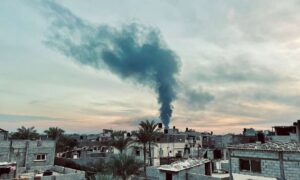
Referring to ongoing conflicts, especially in the oil-rich West Asian region following the US and Israel’s strikes on Iran, Modi described the current decade as one marked by successive crises.
“First came the coronavirus pandemic, then wars erupted, and now the world is grappling with an energy crisis. This decade is becoming a decade of disasters,” he said in Hindi.
He warned that unless the situation changes quickly, decades of global development could be reversed, pushing large sections of the world’s population back into poverty.
The remarks came amid growing economic uncertainty in India, West Asia and other parts of the world.
Ahead of his Europe visit, Modi, while addressing an event in Hyderabad, urged citizens to voluntarily adopt austerity measures. He appealed to people to work from home where possible, cut down on foreign travel and limit gold purchases.
Calling fuel conservation and saving foreign exchange an act of “patriotism”, he also encouraged greater use of public transport, carpooling and reduced fertiliser consumption.
Recalling behavioural changes during the Covid-19 pandemic, Modi said remote work had become normal during that period and could again help manage demand in times of crisis.
“We should use only what is necessary to conserve foreign exchange and minimise the impact of war-related crises,” he said.
On May 15, state-run oil companies — Indian Oil Corporation, Bharat Petroleum and Hindustan Petroleum — increased petrol and diesel prices by ₹3 per litre, marking the first retail fuel price hike in four years.
In Delhi, petrol prices climbed to ₹97.77 per litre while diesel rose to ₹90.67, with rates varying across states due to local taxes.
Industry experts warned that the increase would likely push up household expenses, transport costs and manufacturing prices through July and August 2026 due to the cascading impact of higher fuel costs.
The ruling Bharatiya Janata Party defended the hike, saying India had protected consumers from the global oil shock for more than two months and implemented only a “limited and calibrated” increase.
Party leaders and ministers said public sector oil marketing companies had absorbed much of the rise in crude oil prices for 76 days after tensions escalated in West Asia.
Opposition leaders, however, argued that Modi’s appeal for austerity came only after key state elections had concluded. They also pointed out that fuel prices had remained unchanged during the election period despite lower crude oil prices earlier.
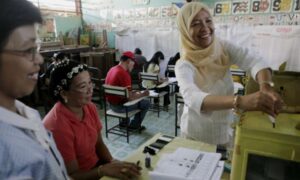
Several Asian countries have also introduced emergency measures to cope with the energy crisis. The Philippines declared a national energy emergency, South Korea urged citizens to conserve electricity by taking shorter showers and charging phones during daytime hours, while Japan announced its largest-ever release of emergency oil reserves.
The global energy turmoil intensified after Iran shut the Strait of Hormuz, a key shipping route that handles nearly 20 per cent of global oil trade.
The International Energy Agency described the disruption as the largest supply shock in the history of the global oil market.
India, which imports around 90% of its crude oil requirements and depends on the Strait of Hormuz for nearly half of its oil supplies, remains particularly vulnerable to the crisis.