

In the early hours of dawn, when the sky still hangs uncertain between darkness and light, the modern artist awakens not to inspiration, but to the shrill tyranny of the alarm clock. The day begins not with poetry, but with urgency. Time, once something to inhabit, has become something to survive.
He rises not like Hamlet, free to wander through thought and melancholy for pages, but like a worker summoned to the machinery of routine. He is no longer merely a creator. He is a consumer of schedules, syllabi, and endless obligations.
By nine in the morning he is already seated inside the university, a place that promises enlightenment yet often resembles a factory of credentials. He reads article after article, drowning beneath academic expectations. PDFs pile up like unpaid debts.
His imagination, once restless and alive, slowly shrinks into citations and footnotes. The institution that claimed it would cultivate thought gradually teaches him how to produce, comply, and endure.
Karl Marx described alienation as the condition in which human beings become estranged from their labour, from themselves, and from life itself. Few embody this tragedy more painfully than the modern artist. The poet must now measure creativity against deadlines. The novelist postpones her dreams until semester breaks that never truly arrive.
The playwright who once imagined stages and voices now rehearses conference presentations under fluorescent lights, speaking the dry language of institutional efficiency.
Marx wrote in the Economic and Philosophic Manuscripts of 1844 that the worker “does not confirm himself in his work, but denies himself.”
The writer feels this denial intimately. Many enter the university hoping to discover their voice and leave with little more than a polished bibliography. Ideas are buried beneath grading rubrics, funding applications, attendance sheets, and publication requirements. Time is no longer experienced deeply. It is divided, monitored, and sold away hour by hour.
The books that once stirred wonder begin to feel heavy with guilt. Reading becomes obligation rather than discovery. Thought becomes performance.
After lectures, seminars, and endless academic formalities drained of genuine curiosity, the artist returns home exhausted. Commutes blur into crowded roads, train stations, and glowing phone screens.
By evening, fatigue settles not only in the body but in the spirit. He sits at his desk wanting to write, yet finds himself scrolling endlessly through fragments of other people’s lives. The lamp that once illuminated notebooks and unfinished poems now falls upon unpaid bills, neglected drafts, and silent ambitions.
The muse does not disappear dramatically. It fades quietly.
The tragedy of the capitalist education system lies in its obsession with productivity over contemplation. It rewards output more than insight, efficiency more than imagination. Herbert Marcuse warned in One-Dimensional Man that modern society flattens culture itself, absorbing even rebellion into systems of consumption.
Creativity is tolerated only when it can be packaged, monetised, and made harmless. The writer is encouraged not to disturb the world, but to market herself within it.
This is how revolutionary dreams become academic publications hidden behind paywalls that almost nobody reads. A professor who once longed to write a daring play spends years chasing citations and contract renewals instead. The system rarely silences artists directly. It exhausts them slowly.
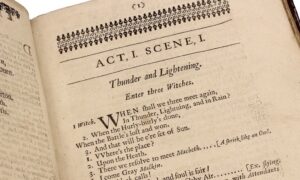
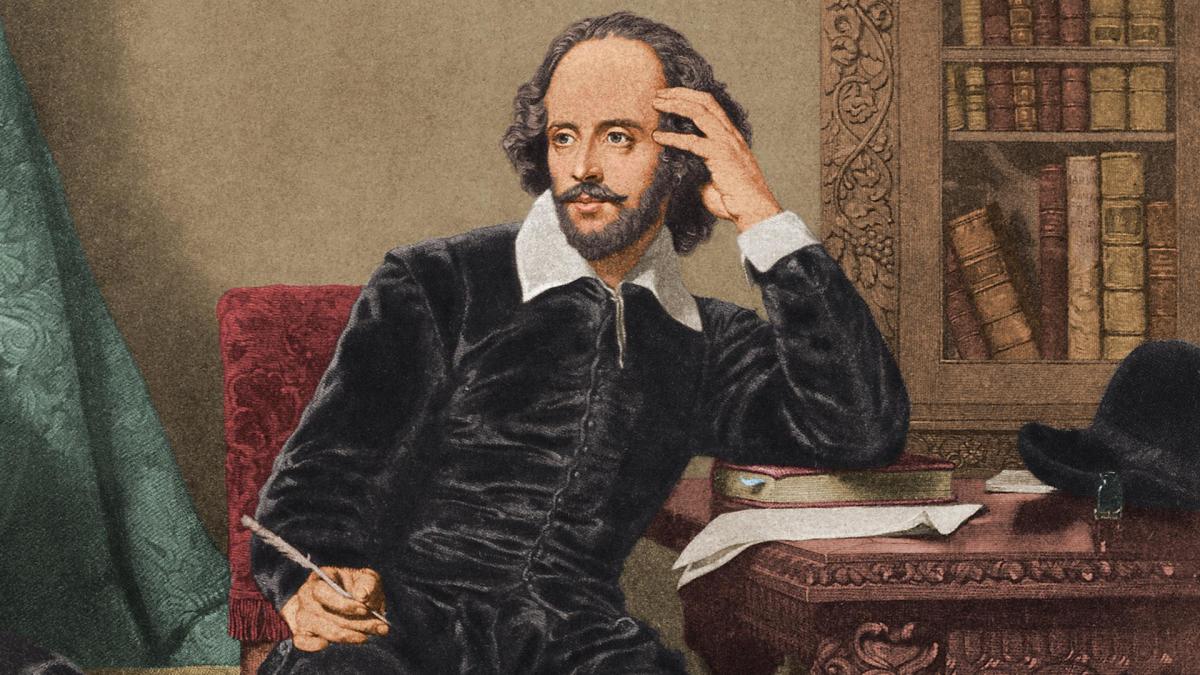
Theodor Adorno feared that art under capitalism would become commodity art, valued less for truth than for marketability. One cannot help imagining what might happen if William Shakespeare were born today. Perhaps he would work part time at a café while revising grant proposals late into the night.
Perhaps Hamlet would be rejected for being too long, too ambiguous, insufficiently commercial. Some editor would suggest making it “more accessible” or “better suited for digital audiences.”
Human beings have somehow invented a civilization capable of reducing existential tragedy into content strategy. A remarkable achievement, if spiritual ruin were an Olympic sport.
What the artist requires most deeply is precisely what modern life denies: silence, slowness, solitude, uninterrupted thought.
Franz Kafka understood this agony well. Working long hours at the Workers’ Accident Insurance Institute, Kafka constantly struggled between bureaucratic labor and literature. In his letters he repeatedly described his job as intolerable because it consumed the energy he wished to devote to writing.
His fiction carries the suffocating anxiety of modern existence because he lived it daily. The exhaustion was not abstract. It was physical, psychological, spiritual.
Virginia Woolf recognised another essential truth in A Room of One’s Own: art requires both space and time. A locked room and financial stability were not luxuries for the writer. They were conditions for survival. Yet countless artists today possess neither. They are surrounded by information but starved of stillness. They are praised for productivity while quietly collapsing beneath it.
The modern artist lives In a state of permanent postponement. Tomorrow, she promises herself, she will finally begin the novel. Next month she will return to poetry. Next year she will reclaim the part of herself buried beneath exhaustion. But capitalism has a cruel talent for devouring the future before it arrives. Time is always already owned by something else.
The deeper Irony is that education, which should bring human beings closer to beauty and thought, often leaves them estranged from both. Literature students learn how to dissect texts but gradually forget how to feel them. Poetry becomes theory. Drama becomes methodology. Novels become case studies rather than living experiences. Survival itself begins to obstruct self actualisation.
To be an artist today often means learning how to preserve fragments of oneself against forces designed to fragment everything. There is dignity in that struggle, but it should not be romanticised. Burnout is not noble. Exhaustion is not proof of virtue. The artist is not failing because she cannot endlessly produce brilliance after ten hours of labor and administrative routine. She is responding humanly to an inhuman rhythm.
So let us imagine Shakespeare again, not as the immortal figure carved into statues and textbooks, but as someone living now among us.
He wakes in a cramped apartment beside a blinking laptop and unanswered emails. His fingers ache not from holding a quill but from typing endlessly across a cracked keyboard. Instead of composing sonnets beneath candlelight, he toggles between academic databases, job portals, and unfinished drafts. The glowing screen replaces the night sky. Fluorescent lights replace the theatre.
He Is not inspired. He is tired.
He walks through university corridors carrying stacks of papers to grade for courses he barely has time to reflect upon himself. Meetings discuss “learning outcomes” and “deliverables” with the solemnity of sacred rituals. Somewhere inside him language still burns, but exhaustion smothers it before it can become art.
And when he finally writes something honest, something alive, the market intervenes. Editors tell him tragedy is difficult to sell. Producers ask whether King Lear can have a more hopeful ending. Someone suggests shortening Hamlet for online audiences with diminishing attention spans. Another asks whether his work aligns with current branding trends. The modern world rarely bans art outright. It reshapes it into something safer, flatter, easier to consume.
This Shakespeare would not suffer from lack of imagination. He would suffer from lack of time.
He would write fragments on buses, in notebooks during lunch breaks, in exhausted whispers before sleep. Rent would consume half his income. Administrative work would consume the rest of his attention. By midnight he would stare at the blinking cursor, too mentally depleted to continue. The tragedy would not be dramatic or visible. No thunderstorm. No grand downfall. Only the quiet erosion of inner life through repetition and fatigue.
And perhaps that is the cruelest part. Society would still call him successful. His social media profiles would appear polished. His résumé would grow. He would attend conferences, answer emails, publish strategically, remain professionally visible. Yet inwardly something essential would be disappearing.
Not because he lacked talent.
Because he lacked the freedom to protect it.
In the deepest hours of the night he might still write a few beautiful lines. A sentence scribbled onto a receipt. A monologue whispered into the dark. Something fragile and true. But by morning he would delete it, fearing it was impractical, irrelevant, unproductive.
This is the modern tragedy.
Shakespeare not silenced, but exhausted.
Not destroyed by censorship, but by burnout.
Not denied language, but denied the conditions necessary for language to flourish.
If Marx showed how capitalism alienates workers from their labor, then the modern world alienates artists from their inner lives. The writer, whose task is to perceive deeply and imagine freely, becomes trapped in endless production. Content replaces contemplation. Performance replaces presence. Visibility replaces meaning.
And so one cannot help but wonder:
If Shakespeare were alive today, would he still write?
Perhaps he would.
But perhaps we would never hear him.