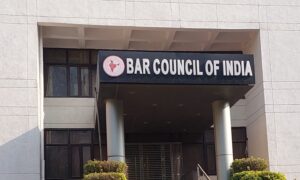

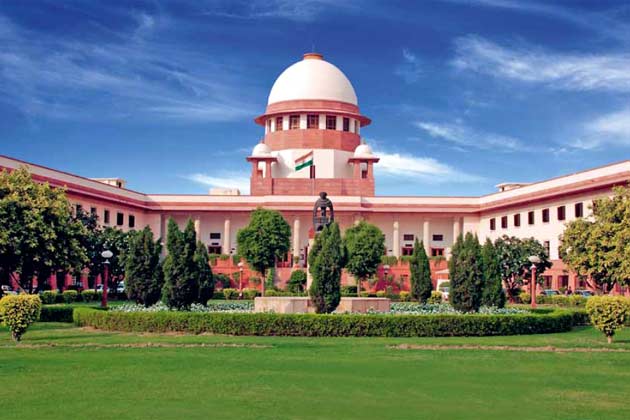

The Supreme Court ruled on Thursday that the Bar Council of India and the state Bar Councils do not have the authority to take disciplinary action against law students before they are enrolled as advocates and that this authority belongs to the educational institutions of the students.
A three-judge bench led by Chief Justice Surya Kant and comprising Justices Joymalya Bagchi and V. Mohana said the Bar Council had no express or implied power under the Advocates Act, 1961 to discipline students pursuing legal education.
The ruling came in a case involving students of Hyderabad’s National Academy of Legal Studies and Research(NALSAR), after the BCI issued communications seeking to prevent enrolment of the university’s 2026 graduating batch following a student campaign opposing the proposed participation of the chief justice as a convocation guest.
The BCI later withdrew the communications but the court ruled that they were issued without any legal authority and made an earlier interim order protecting the students and faculty from any punitive action permanent.
“We are of the opinion that the Advocates Act, 1961 … does not confer any express or implied power upon the BCI or any State Bar Council to take any disciplinary action against the students of law,” the court said.
The court said that the BCI’s statutory disciplinary role commences only after a law graduate has enrolled as an advocate.