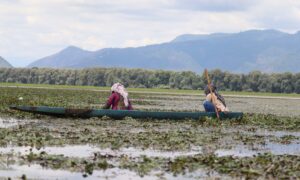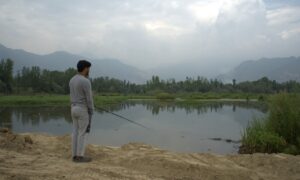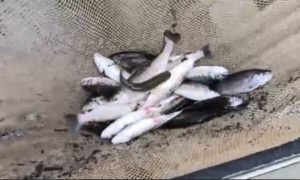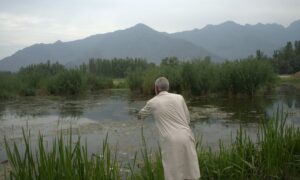

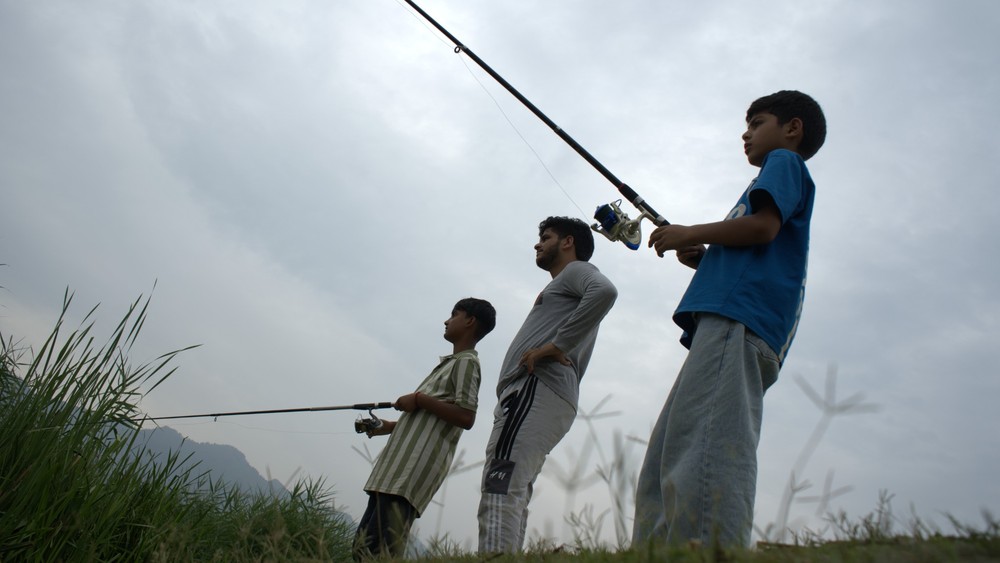

There is something peaceful about standing beside a river with a fishing rod in your hands. For some people, fishing is simply a way to catch fish. For others, it becomes something deeper. It becomes a habit, a passion and a quiet escape from the noise of everyday life.
A person who loves fishing does not always go to the river expecting to return with a full basket. Sometimes, the real attraction is the waiting. He sits by the water, watches the current move gently past and listens to the sound of flowing water. He watches the line and waits for the smallest movement. Nothing much may appear to be happening, yet for the person holding the rod, everything is happening.
Fishing teaches patience. There is no guarantee that a fish will take the bait. A person may sit for hours and return home with nothing. Still, he may consider the day well spent. That is part of the beauty of fishing. The fisherman learns to accept waiting. In a world of quick messages, instant answers and constant movement, fishing asks a person to slow down. The river does not hurry. The fish does not follow a timetable. The fisherman simply waits.
For many fishing enthusiasts, this waiting becomes part of the pleasure. The mind becomes quieter. Every day worries seem less important for a while. Work, bills and daily responsibilities remain somewhere behind. There is only the water, the rod, the line and the hope that something will happen. There is also some research behind the feeling many anglers describe. A peer-reviewed study of 1,752 adult male anglers in the United Kingdom found that more frequent participation in angling was associated with higher reported mental well-being and lower symptoms of depression and anxiety. The study was cross-sectional, however, so it could not establish that fishing itself caused these differences.
That distinction matters. Fishing should not be presented as a cure for mental health problems. The findings simply offer an interesting perspective on why time outdoors and away from everyday pressures may feel valuable to many people. For an angler, the pleasure may also come from the sudden change in attention when the line moves. A small movement of the rod can make him sit upright and focus completely. He knows the fish may disappear in the next second. He responds carefully. There is excitement, but there is also patience. Pulling too quickly can lose the fish. Waiting too long can have the same result. Fishing, therefore, offers another lesson. Sometimes, knowing when to act is as important as knowing when to wait.
This is perhaps why the passion stays with people for years. A person may begin fishing as a child, accompanying a father, grandfather, uncle or friend to a nearby river. At first, he may not understand the attraction. He may simply enjoy being outdoors. With time, however, the river begins to feel familiar. He remembers places where fish were once caught. He remembers quiet mornings, changing weather and long hours beside the water. He remembers the excitement of catching his first fish and the disappointment of returning empty-handed. These memories gradually become part of the passion.
Fishing also creates a different relationship with nature. A person sitting quietly beside water begins noticing things that are often missed during an ordinary journey. He notices birds along the riverbank. He notices changes in the current. He watches the weather and the colour of the water. He begins to understand that the river is not merely a place to fish. It is a living environment. Research into rivers, lakes, seas and other blue spaces has also found links between recreational visits to these environments and wellbeing. An international study involving people across 18 countries found that experiences in blue spaces were associated with positive well-being, although the findings varied according to the environment and the activities people undertook.
That understanding can make a passionate fisherman more conscious of the need to protect the water and its surroundings. Clean rivers and healthy aquatic life are essential for the future of fishing itself. The passion, at its best, therefore comes with responsibility. A good fisherman respects the water, follows local rules and treats the catch responsibly. He understands that nature cannot be treated as an unlimited resource.
Fishing is also far from a pastime enjoyed by only a small number of people. The Food and Agriculture Organization of the United Nations says that in countries where recreational fishing is a common activity, an average of 6.7% of the population takes part. It estimates that this represents more than 174.5 million people. The FAO also emphasises responsible management of recreational fisheries.
For many people, fishing is also about companionship. Friends can sit together beside the water for hours without feeling the need to keep talking. There may be conversation, laughter and stories about previous fishing trips. At other times, everyone simply watches the river. There is comfort in that silence. Perhaps that is one reason fishing remains special even when there are many other ways to spend a free day. It offers something increasingly rare, stillness.
The modern world is full of noise. Phones keep ringing. Messages arrive constantly. People move from one task to another without giving themselves much time to pause. Fishing provides an excuse to stop. For a few hours, there is nowhere else to be. The fisherman can simply sit and wait. He may catch a fish. He may not. Either way, he has spent time beside the water.
That is why people who develop a genuine passion for fishing rarely describe it only as a sport or hobby. They talk about the feeling of being there. They talk about the early mornings, the quiet banks, the changing weather, the anticipation and the stories they bring home. The fish is only one part of the experience. The rest is difficult to explain to someone who has never waited beside a river with a fishing rod in hand.
But once the passion takes hold, the river begins to call in its own quiet way, and the fisherman returns. Not always because he expects to catch something. Sometimes he returns simply because, beside the water, he finds a little peace.