
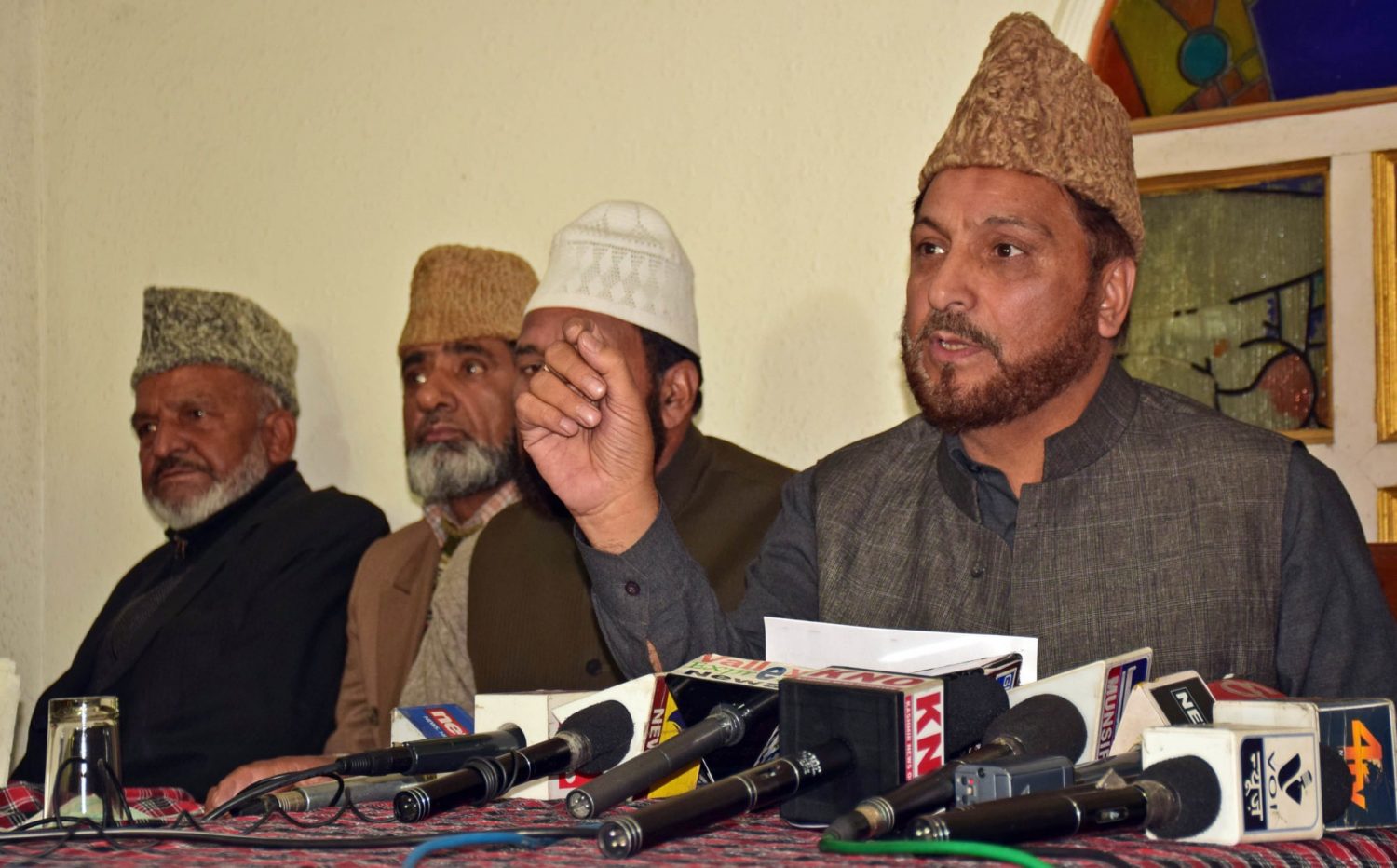

Srinagar: Jammu and Kashmir’s Grand Mufti, Mufti Nasir-ul-Islam, has raised serious concerns over the use of heavy machinery and construction activities near the ecologically fragile Sheshnag Lake along the Amarnath Yatra route, warning that such interventions could cause lasting damage to Kashmir’s sensitive environment.
In a video message, the Grand Mufti expressed concern over activities in the vicinity of Sheshnag Lake, cautioning that unregulated construction, excavation and disturbance of the surrounding landscape could have serious ecological consequences.
He particularly warned against activities that could affect glaciers and the fragile natural ecosystem, saying environmental degradation would have repercussions for future generations.
The issue has also drawn wider attention following reports of excavators operating near the lake. Sheshnag, situated at an altitude of approximately 3,590 metres, is a glacier-fed alpine lake and lies along the traditional trekking route from Pahalgam to the Amarnath cave shrine. It is among the 14 high-risk glacial lakes identified in Jammu and Kashmir.
The controversy erupted after videos circulated on social media showing heavy earth-moving machinery excavating soil near the lake and shifting debris along its banks. Environmental activists and political leaders raised concerns over possible damage to the fragile Himalayan ecosystem.
Mirwaiz Umar Farooq described the visuals as disturbing, warning that construction should not come at the cost of Kashmir’s fragile ecosystem. Climate activist Raja Muzaffar Bhat also questioned the deployment of heavy machinery in the glacial region.
The Border Roads Organisation (BRO), meanwhile, has defended the work, saying it is part of the widening and stabilisation of the existing Amarnath Yatra track to improve pilgrim safety and ease congestion. It has maintained that environmental safeguards, including measures for safe disposal of excavated material and protection of natural drainage, are being followed.