

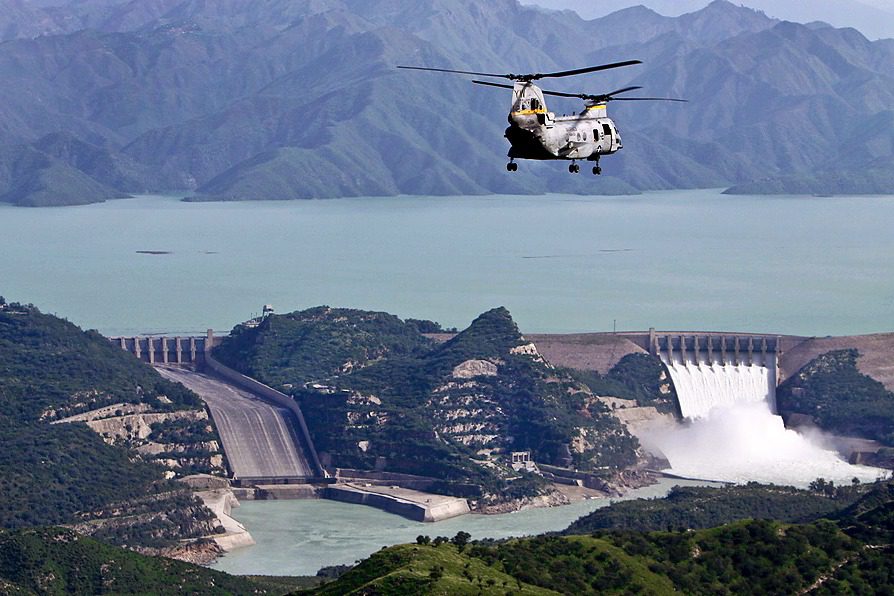

Pakistan’s Foreign Affairs Adviser, Sartaj Aziz, warned lawmakers that India’s decision to suspend the 1960 Indus Waters Treaty could be construed as “an act of war,” noting that any move to disrupt river flows would violate international law and set a dangerous regional precedent.
Aziz’s remarks followed criticism from Foreign Minister Ishaq Dar, who called New Delhi’s response to the recent Pahalgam attack “inappropriate.”
The Indian government, blaming cross‑border links for the assault that killed 26 civilians, has taken a series of retaliatory steps:
Diplomatic downgrades: Both countries will slash staff at their high commissions from 55 to 30. India has expelled Pakistan’s military attachés and will recall its own defence advisers from Islamabad.
Travel curbs: Pakistani nationals lose access to the SAARC Visa Exemption Scheme; existing visas are cancelled.
Border closure: The Attari Integrated Check Post—the only active land crossing—shuts immediately, with limited return passage until 1 May.
Treaty suspension: Implementation of the Indus Waters Treaty is halted until Pakistan “irrevocably” ends support for cross‑border terrorism.
India’s Cabinet Committee on Security, chaired by Prime Minister Narendra Modi, also ordered heightened vigilance and vowed to bring the Pahalgam attackers and their sponsors to justice.
Defence Minister Rajnath Singh promised a decisive response, while Foreign Secretary Vikram Misri said global leaders have condemned the attack and expressed solidarity with India.