

The aroma of chai and roasted maize once carried empowerment. Now silence fills the stalls that gave tribal women independence.
Shameema Bano stood before her wooden stall in Doodhpathri, dust settling on its roof. Her hands rest on the counter where steaming cups of noon chai once clinked against brass saucers.
She wore the mud-brown pheran she had worn through countless busy mornings, her fingers tracing the edge of the splintered signboard: “Doodhpathri Zaika – by Shameema.”
The air smelled faintly of maize, though no roasting pan had sizzled here in months.
Beyond business, her stall had been a claim to dignity. Amongst the dozen or so stalls run by Gujjar and Bakarwal women, it had become a landmark.
Tourists lingered here, asking about recipes and the lives behind the food. Each cup of chai was a conversation, a subtle assertion that a woman could step into the public sphere and shape it, however cautiously.
Now, the shack sat abandoned, wrapped in torn polythene sheets. The gas stove she had bought in the hope of a good season rusted at home.
“I thought it would be a good season,” she said, her voice soft, carrying a weight she could not lighten. “Now it waits for nothing.”
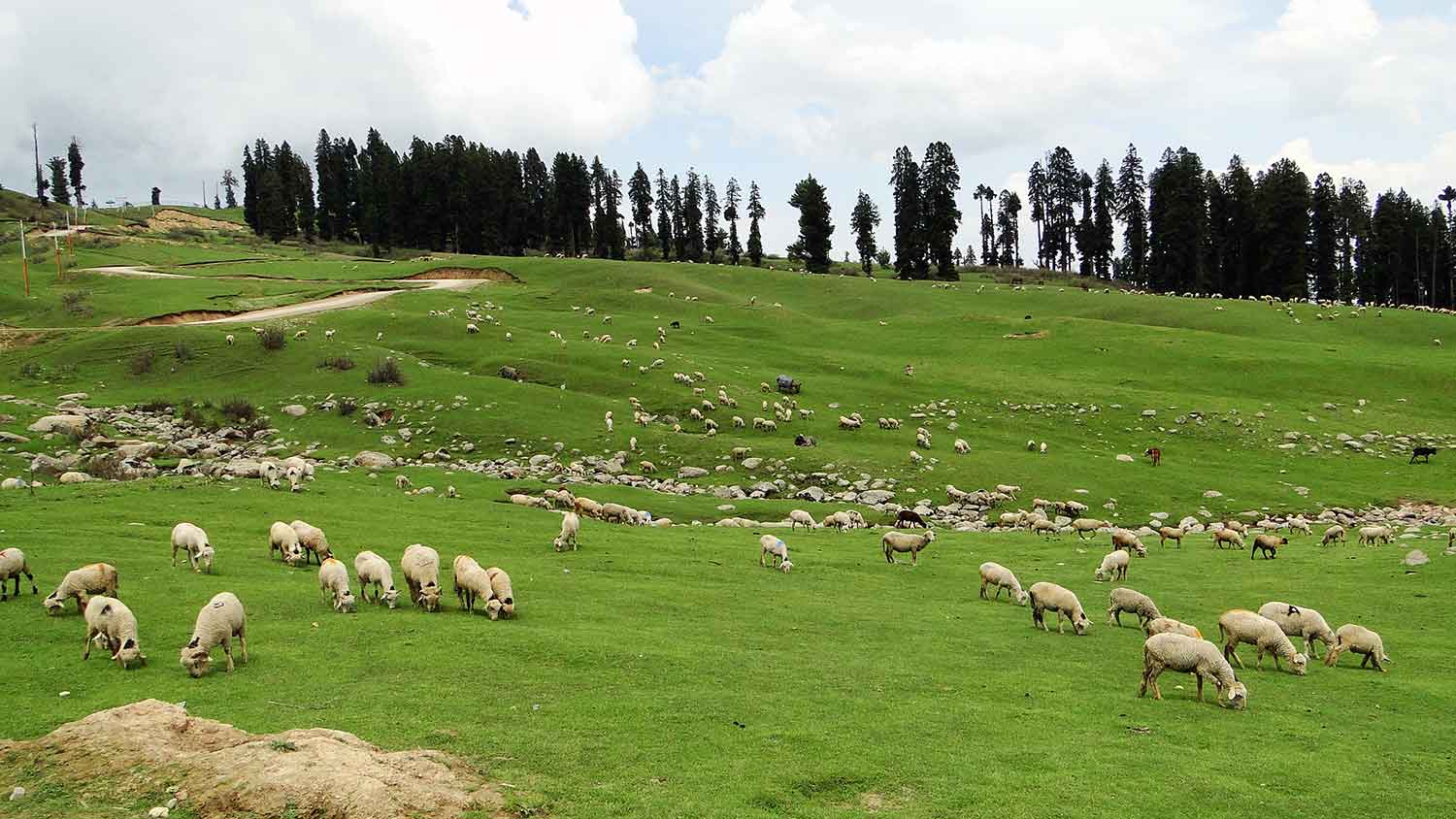
Doodhpathri’s meadows, streams, and grazing pastures had long pulled visitors from Srinagar and beyond. For women from nomadic Gujjar and Bakarwal families, each tourist meant a meal on the table.
Besides serving food, their little stalls gave them freedom, bought schoolbooks for the children, sanitary pads for the first time, and medicine for the elders.
Standing behind those counters, they found a power that comes from contributing to family life, and the thrill of being seen by strangers and neighbours alike.
But April changed everything.
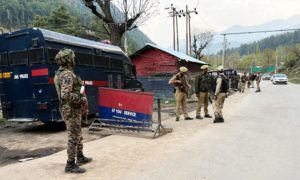
A deadly attack on tourists in Pahalgam sent advisories through the valley, and tourists stopped coming. Stalls that had hummed with conversation, laughter, and sizzling maize fell silent. The women who had built their small economies were left in stillness.
Shameema’s nine-year-old daughter, Nasira, watched the shuttered stall with confusion. “Why don’t we go anymore?” she asked. Shameema struggled for an answer, trying to convey that a place of pride had become a place of danger.
For Saeeda, forty-five, the closure erased years of progress. “We could send our children to school, buy what we needed for hygiene, and help our families when elders fell sick,” she said. “Now it is gone. No one asks how we survive. One attack erased everything.”
Shameema spoke of respect that had vanished with income.
“My husband tells me to stay home. ‘Your freedom brought nothing but loss,’ he said.”
That single sentence carried months of frustration, grief, and the subtle, persistent erosion of agency.
When these stalls first opened, local leaders praised them, photographs were taken, promises made. After the violence, attention evaporated.
National surveys show women’s workforce participation rising, yet Budgam’s meadows tell a different story.
Women who dared step into trade have been pushed back into silence. Their losses are measured in the disappearance of voice, choice, and hope.
Meanwhile, August sun warms the meadows where the stalls stay shut, and polythene flaps in the wind. Silence has claimed the spaces that once rang with work, laughter, and pride.
Amid this desolation, Shameema stands in the doorway, and waits.