
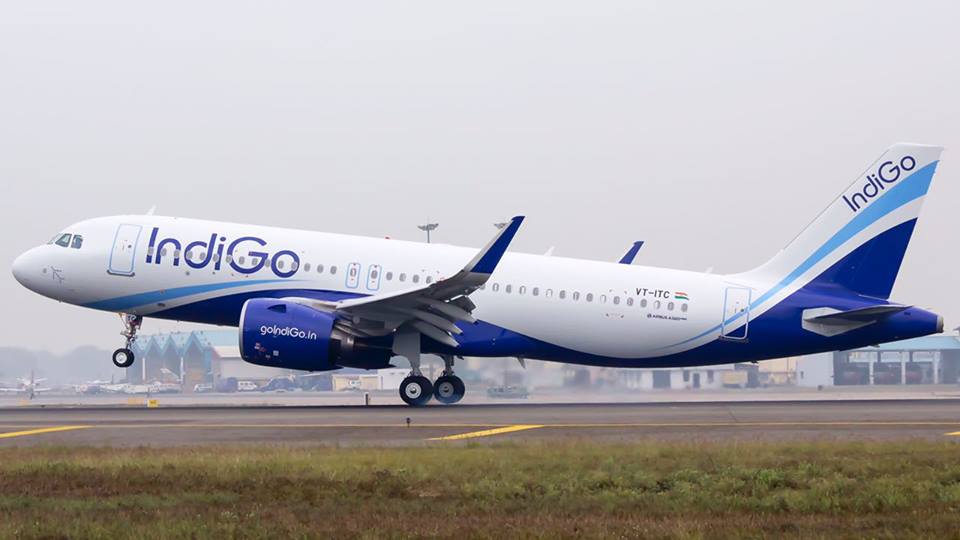

As IndiGo’s operational chaos and India-wide disruptions stretched into a sixth day, the carrier said it had restored 95% of its network. But more than 500 flights were still cancelled on Sunday at airports across the country. Passengers continued to recount their ordeal, with many still stranded nationwide.
IndiGo is cancelling hundreds of flights because the airline suddenly ran out of legally eligible pilots after the government’s new flight duty and rest rules came into force.
These rules, called the revised FDTL norms, increased weekly rest to 48 hours, expanded the night-duty window from midnight to 6am, reduced weekly night landings from six to two, capped night flying at eight hours, and imposed strict limits on daily, weekly, monthly and yearly flying hours.
They also require mandatory rest that is at least twice the duration of duty with a minimum of ten hours off in every 24-hour period. Once these rules fully kicked in last month, a large segment of IndiGo’s pilots became unavailable at the same time.
This hit IndiGo harder than any other airline because its network is built on tight schedules, high aircraft utilisation and a large number of late-night and early-morning flights. IndiGo already operated with lean crew strength due to hiring freezes and a cost-saving model, so it had no buffer pilots when the rules changed. Other airlines had spare pilots because their utilisation has been lower due to aircraft delivery delays and grounded planes. IndiGo, which runs more than 2,200 flights a day, felt the impact immediately. Even a small disruption translated into hundreds of cancellations.
The crisis worsened when delays pushed many flights past midnight, triggering the stricter night-duty limits. That caused entire rotation chains to collapse. Technical issues, including an Airbus A320 advisory over the weekend, added to turnaround delays. Airport glitches and winter congestion in cities like Delhi and Pune made matters worse. As a result, cancellations spiked and on-time performance fell below 20 percent at one stage.
Large airports were hit the hardest. Delhi saw more than 200 IndiGo cancellations in a single day. Bengaluru, Hyderabad, Srinagar and Jammu also reported major disruptions. Passengers were left to deal with long queues, last-minute cancellations, and hours of waiting without clear communication.
The Directorate General of Civil Aviation has stepped in and rolled back one clause in the new rules—the one that said leave cannot be counted as weekly rest. Removing this clause gives IndiGo more flexibility to free up pilots and rebuild its roster. But the airline has told the regulator that it will need until February 10, 2026, to fully stabilise its operations.
IndiGo maintains that a combination of the new rules, delays, winter traffic, congestion and technical issues created the crisis. Pilot groups, however, blame IndiGo’s planning, saying the airline relied on minimum staffing, entered non-poaching pacts, froze pay, ignored warnings, and prepared schedules that never accounted for the stricter rest norms.