
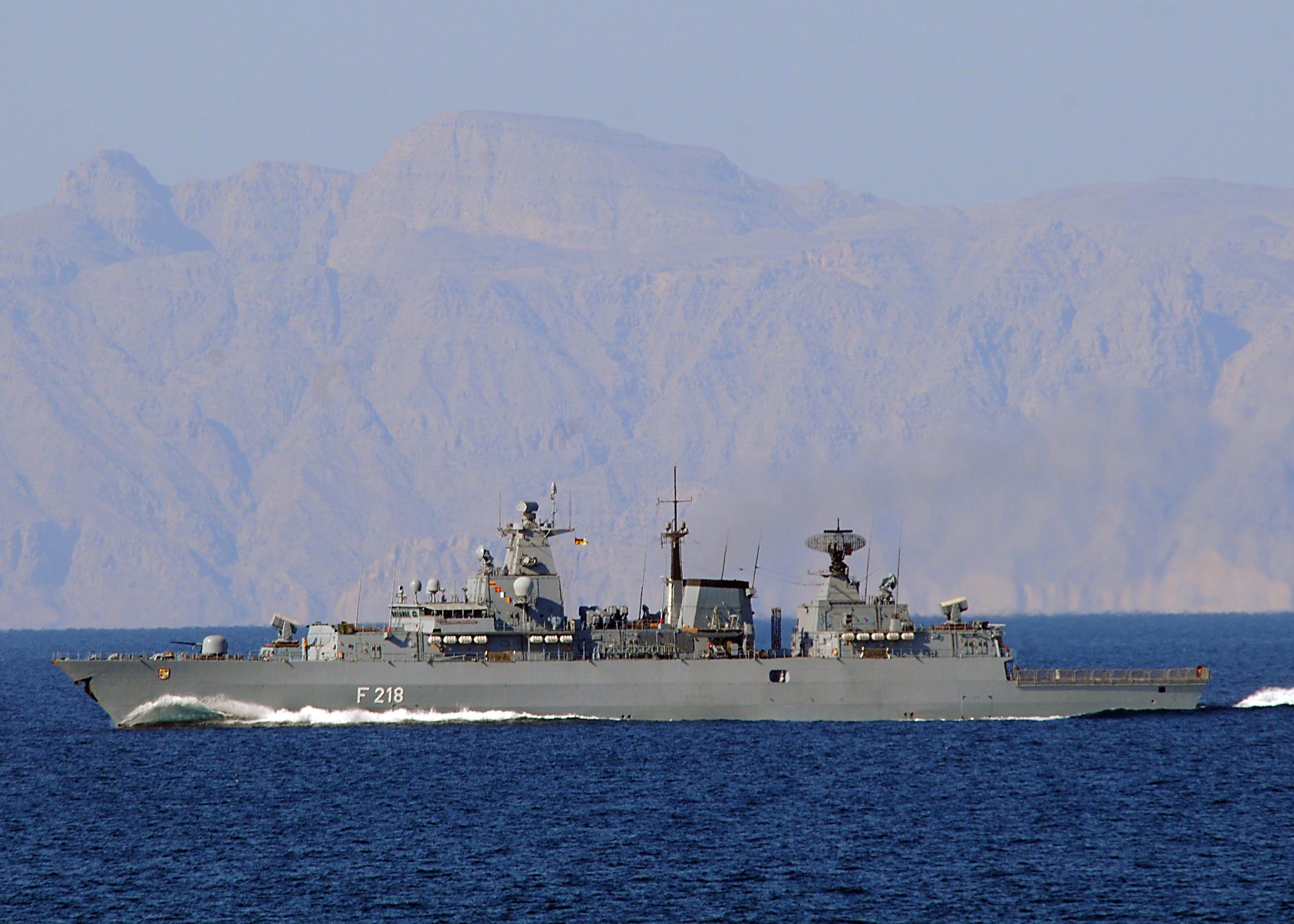

Iran has announced that ships not considered hostile can pass through the Strait of Hormuz, even as maritime traffic through the crucial route has sharply declined, contributing to one of the worst global energy crises in decades.
In a statement issued Tuesday, Iran’s mission to the United Nations said vessels would be granted safe passage as long as they do not support or engage in actions against Iran and adhere strictly to its safety and security rules.
It added that all transits must be coordinated with Iranian authorities.
Tehran had earlier communicated a similar position to the International Maritime Organisation, though it has not specified the exact regulations ships must follow.
The strait typically handles around 20 percent of the world’s oil and liquefied natural gas shipments.
The announcement comes amid conflicting signals over diplomacy, with Donald Trump claiming that talks to end the U.S.-Israel conflict with Iran are ongoing, despite repeated denials from Tehran.
Shipping traffic remains severely reduced. Data from maritime intelligence firm Windward shows only a handful of vessels passing daily, compared to roughly 120 per day before the conflict began on February 28.
Although Iran initially warned that ships risked attack, it has since maintained that the strait is open, except to what it calls hostile actors.
The disruption has driven energy prices higher, with analysts warning oil could surge to $150–$200 per barrel if the situation persists.
However, prices dipped recently after reports suggested the US had proposed a 15-point plan to end the conflict, raising hopes in global markets.