

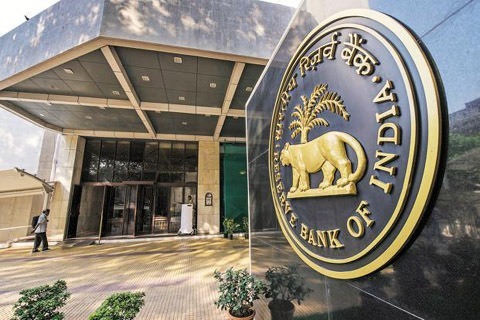

New Delhi: The Reserve Bank of India has accelerated the repatriation of its gold reserves, bringing back over 274 tonnes since March 2023, NDTV reported.
Around two-thirds of India’s 880.8 tonnes of gold is now held domestically, driven by geopolitical risks and the need for greater liquidity and control, the report said.
In parallel, France’s central bank, Banque de France, has completed the repatriation of its gold reserves from the Federal Reserve Bank of New York within a year, bringing back about 129 tonnes. The move means all of France’s roughly 2,437 tonnes of gold is now held in Paris.
The bank also sold older gold bars in New York at record prices and reinvested the proceeds in higher-quality bullion in Europe, generating nearly $14.76 billion in capital gains. It described the exercise as a technical upgrade to meet modern gold standards.
However, the move has revived comparisons with a historic episode from the 1960s, when France challenged the Bretton Woods system.
Under then President Charles de Gaulle, France grew wary of US monetary expansion and began secretly repatriating gold between 1963 and 1966 in an operation known as Vide-Gousset. The effort saw thousands of tonnes shipped back from New York and London, adding pressure on the dollar’s gold convertibility.
The strain culminated in the Nixon Shock, when US President Richard Nixon ended the dollar’s link to gold, collapsing the Bretton Woods system and ushering in the fiat currency era. Gold prices later surged from $35 per ounce to over $800 by 1980.
Economists say the current move is unlikely to disrupt global markets. There is no dollar-gold convertibility today, reducing systemic risk. Gold now functions as a safe-haven asset rather than the backbone of global finance, and France has framed the move as strategic and technical rather than political.
France is not alone. Countries like Germany are debating similar moves, while central banks globally are gradually increasing domestic control over gold reserves. The shift reflects a focus on asset sovereignty rather than a challenge to the dollar.