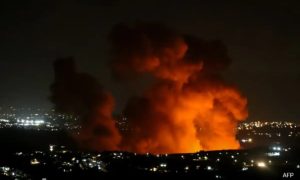

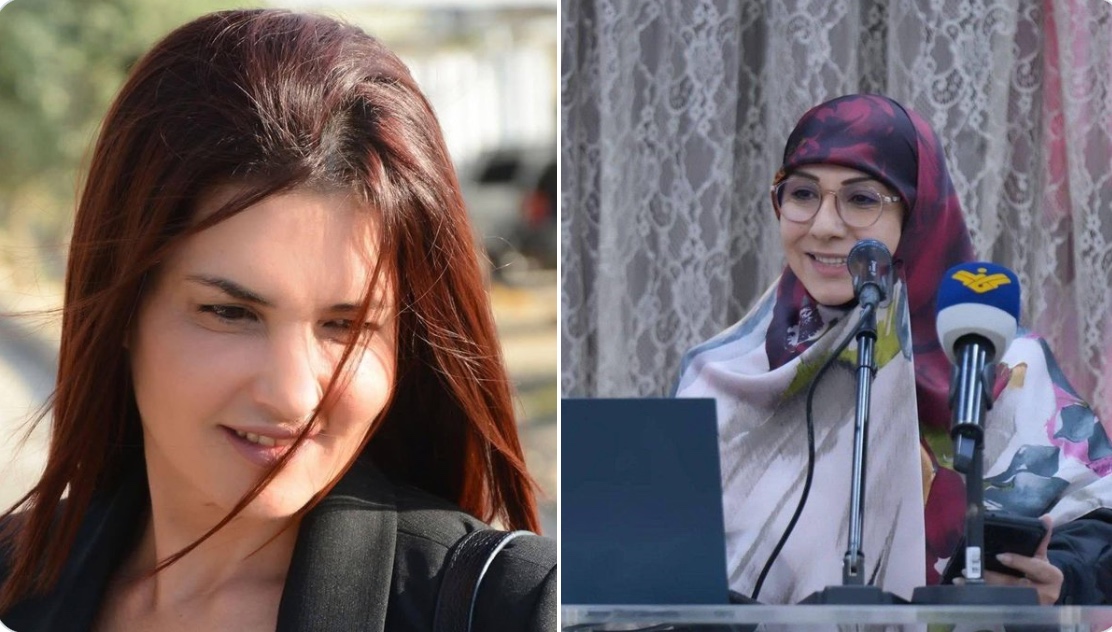

Two female journalists, Ghada Al-Daikh and Suzanne Khalil, were killed in Israeli airstrikes in Lebanon on Thursday, as cross-border hostilities intensified in the region.
According to multiple international media reports, the strikes were part of Israel’s ongoing military operations targeting areas in southern Lebanon, where tensions with Hezbollah have sharply escalated in recent weeks alongside the broader regional conflict.
Press freedom organisations and global news outlets have repeatedly raised concerns over the safety of journalists covering the conflict, noting a growing number of media workers killed or injured in Israel’s operations in Gaza and along the Lebanon border.
The latest deaths add to mounting casualties among journalists in the region since the escalation began, with groups such as the Committee to Protect Journalists (CPJ) and Reporters Without Borders (RSF) already calling for greater protection for media personnel and independent investigations into such incidents.
The situation along the Israel-Lebanon border remains volatile, with continued exchanges of fire raising fears of a wider regional war.
Israel’s latest wave of airstrikes across Lebanon has caused widespread death and destruction, marking one of the deadliest escalations in the ongoing conflict with Hezbollah.
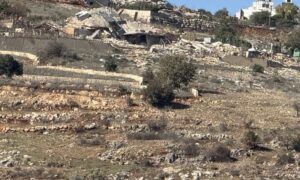
According to Lebanon’s health ministry, at least 182 people were killed and nearly 900 injured, with the toll expected to rise as rescue operations continue. Entire neighbourhoods in Beirut’s southern suburbs, southern Lebanon and the Bekaa Valley were reduced to rubble within minutes of the strikes.
Emergency workers combed through collapsed buildings for survivors, often recovering bodies or human remains from the debris. Personal belongings such as family photographs, clothes and children’s schoolwork lay scattered, reflecting lives abruptly shattered. Hospitals, already strained, struggled to cope with the influx of wounded.
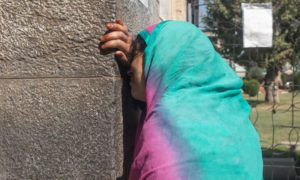
The scale of destruction has displaced thousands more, deepening an already severe humanitarian crisis and leaving communities traumatised amid continuing uncertainty and fear of further attacks.