

Groups seek mobile health centres for pastoralists in J&K highlands
Srinagar: Three civil society organisations have urged the Jammu and Kashmir government to establish mobile health centres for pastoralist communities living in highland pastures across Kashmir and Jammu during the summer migration season.
In a joint statement issued on Saturday, the J&K Chopan Welfare Association, RTI Movement Jammu and Kashmir (RTIM) and J&K Climate Action Group appealed to Chief Minister Omar Abdullah and Health Minister Sakina Itoo to deploy mobile medical units or at least paramedical teams in remote grazing areas during July and August.
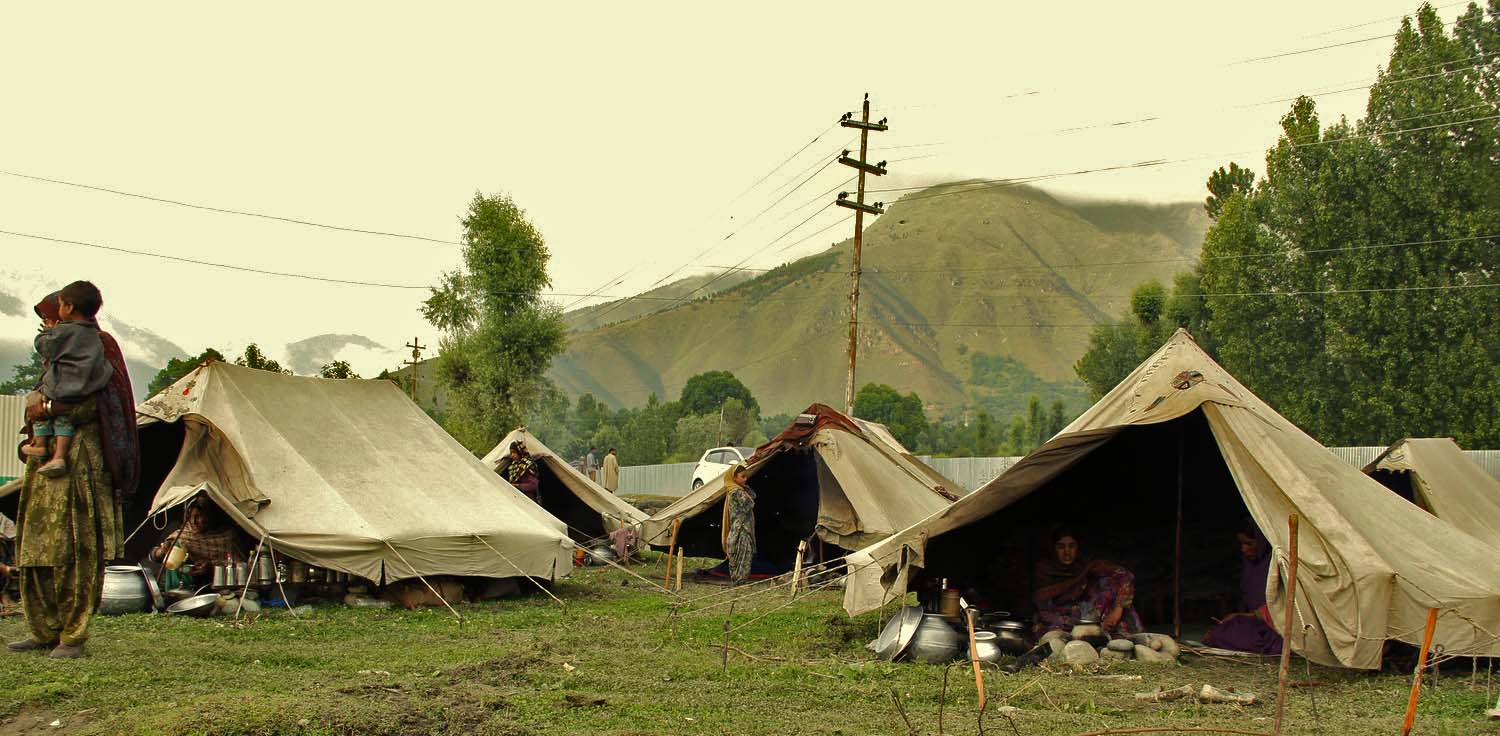
The organisations said pastoralist communities face significant hardships due to the lack of basic healthcare facilities in high-altitude pastures where they spend several months each year.
“Vets and Para Vets from Animal and Sheep husbandry departments are seen in highland pastures during summer months every year, but when it comes to human health, such a facility is not available. For basic treatment, the shepherds like chopans, bakerwals or gaddis have to travel 20 to 30 kms to get the treatment in some Govt dispensary or PHC. We appeal to the authorities to send mobile medical teams to different pasturelands of J&K for at least 2 months in June and July,” said Dr Raja Muzaffar Bhat, chairman of the J&K Climate Action Group and founder of the RTI Movement.
The groups said thousands of members of pastoral and nomadic communities migrate annually to high-altitude grazing grounds from May to October, where access to healthcare remains limited or unavailable.
“Every year, thousands of Chopans, Bakarwals, Gaddis, Gujjars and other nomadic families migrate to high-altitude grazing grounds from May to October. These pastures are officially mapped and regulated by the Sheep Husbandry Department, yet the human beings living and working there for 6 months face a complete medical blackout. Over 2 lakh pastoralists and their families spend the migration season in 200+ recognised pastures across the UT, with no doctor, no medicine, and no emergency care. Each season sees cases of bear attacks, high altitude sickness, snake bites, and severe respiratory infections go untreated,” said Abdul Ahad Chopan, spokesperson for the J&K Chopan Welfare Association.
The organisations urged the government to ensure the availability of healthcare services in remote pasturelands, saying mobile medical teams could help address emergency health needs and provide basic treatment to pastoralist families during the migration season.