

From gas heaters and electric blankets to traditional Bukharis and Kangris, unsafe heating practices continue to put lives and homes at risk
Srinagar: As Kashmir prepares for another harsh winter, concerns over fire accidents and suffocation caused by heating appliances have once again come into focus, with authorities urging residents to take precautions against hazards that claim lives and destroy property every year.
With temperatures dropping, households across the Valley are increasingly relying on gas heaters, electric blankets, room heaters, Bukharis and Kangris to keep warm. However, the growing use of these appliances, often in poorly ventilated rooms or through unsafe electrical connections, has repeatedly exposed families to serious risks.
Recent incidents and official advisories underline the scale of the problem, particularly during the winter months when homes remain closed for extended periods and heating equipment is used for long hours.
One of the most serious dangers is carbon monoxide poisoning caused by fuel-burning appliances operating in confined spaces. Gas heaters, LPG devices and coal-burning Bukharis can release the poisonous gas when combustion is incomplete. Since carbon monoxide is colourless and odourless, exposure can go unnoticed until symptoms such as headache, dizziness, nausea, confusion and unconsciousness develop.
The danger was tragically illustrated in January 2025, when five members of a family, including three children, were found dead at their rented accommodation in Pandrethan, Srinagar. The family, originally from Baramulla, had reportedly been using a gas heater. Doctors suspected suffocation, while an investigation was initiated to establish the circumstances surrounding the deaths.
In another alarming development during the first week of January, at least nine people reportedly died of asphyxiation, while several others were said to be in critical condition.
Fire incidents linked to electrical appliances have presented another recurring challenge. Electric blankets, heaters and blowers, widely used during the Valley’s freezing winter nights, can become fire hazards when left unattended or connected to faulty wiring and overloaded sockets.
A fire at a girls’ hostel in Srinagar’s Rajbagh area on January 18, 2026, brought the risk into focus. According to reports, an electric blanket left switched on reportedly overheated and ignited the bedding and mattress in a second-floor room. Another such incident was reported on December 10.
Electrical overload is also a concern in residential buildings, particularly older structures where wiring may not be equipped to handle the simultaneous operation of heaters, blowers, geysers and other appliances.
The consequences were evident in a fire that gutted two adjoining houses in Srinagar’s Chattabal locality on January 30, 2025. According to Fire and Emergency Services officials, the blaze broke out in one house before spreading to the neighbouring structure. A preliminary investigation pointed to a possible short circuit.
The upper floors of both two-storey houses were gutted, leaving families with extensive losses. One resident told the newspaper that his family had lost everything, including material purchased for his daughter’s marriage.
Official figures and repeated warnings suggest that the problem remains significant. In October 2025, Fire and Emergency Services officials identified careless handling of heating appliances and LPG devices among the major causes of winter fire incidents.
The Divisional Administration also stepped up its response that month, directing Deputy Commissioners to strengthen fire safety measures across Kashmir despite ongoing awareness campaigns.
Figures reported in December 2025 showed that Srinagar had recorded around 720 fire incidents in the preceding year, compared with approximately 468 incidents during 2025 up to the time of reporting. While the figures suggested a decline, officials cautioned that the winter season remained particularly vulnerable because of increased dependence on heating equipment.
On November 5, 2026, the Fire and Emergency Services Department issued another winter safety advisory, asking residents to exercise caution while using heaters, Bukharis, Kangris and LPG appliances. It called for certified equipment, properly maintained electrical installations, adequate ventilation and safe distances between heating sources and combustible materials.
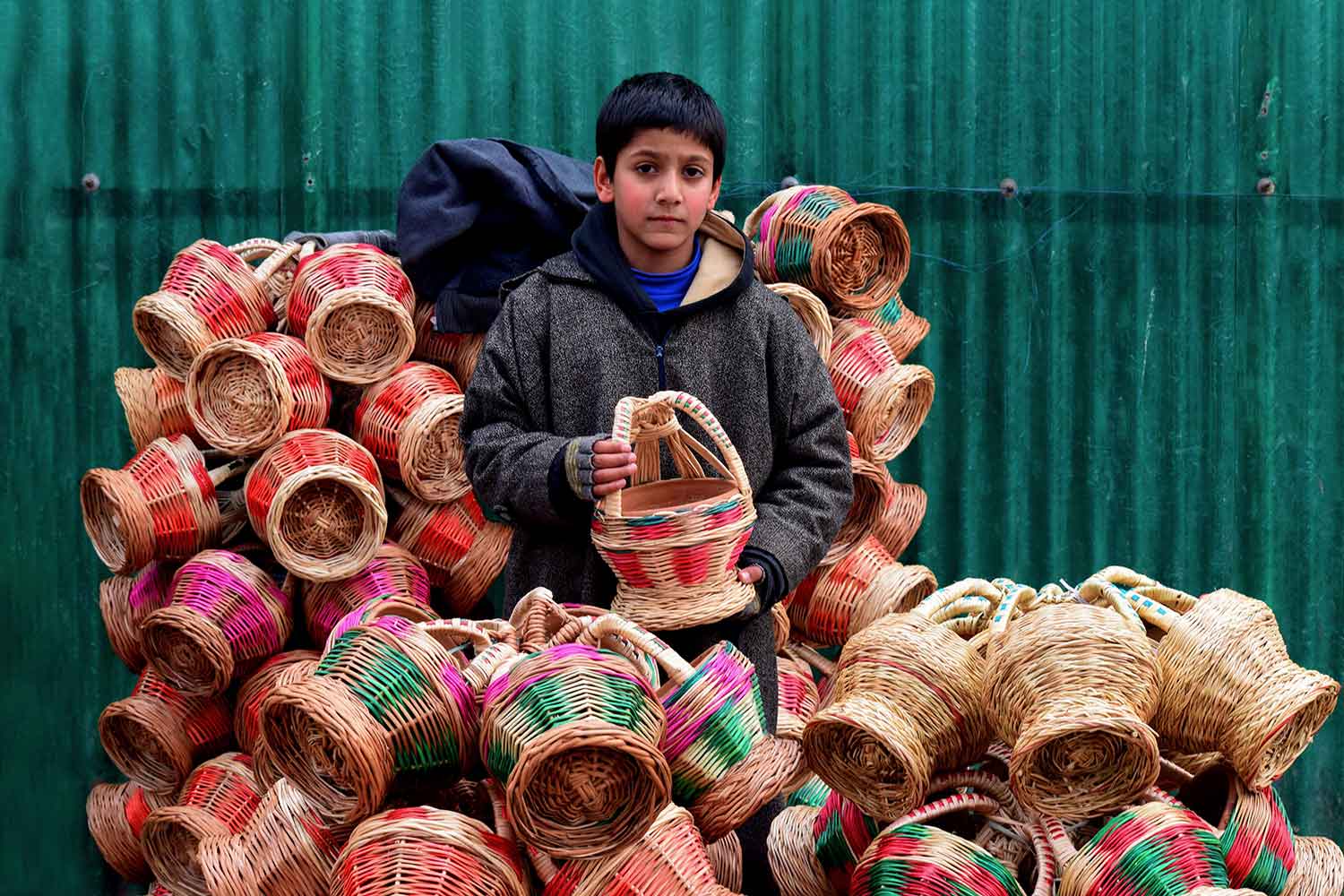
Traditional heating arrangements, which remain an important part of life in Kashmir, also require attention. Kangris containing burning charcoal should be kept away from bedding, carpets, curtains and other materials that can catch fire. Bukharis must be properly installed and fitted with suitable chimneys to allow smoke to escape.
Leaving burning charcoal or embers in closed rooms overnight is particularly dangerous because of the risk of carbon monoxide accumulation. Residents should also avoid sleeping in rooms where fuel-burning heaters are operating without adequate ventilation.
The Jammu and Kashmir Disaster Management Authority has similarly advised households to ensure proper ventilation, avoid leaving heating appliances unattended, install smoke alarms and keep fire extinguishers within reach.