

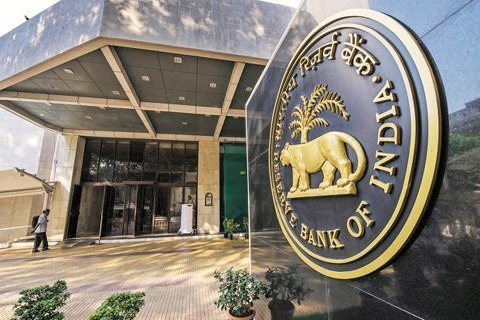

New Delhi: India could be heading towards a return to interest rate levels not witnessed in nearly two years, with economists and financial market participants anticipating a possible hike in the Reserve Bank of India’s (RBI) benchmark repo rate.
The central bank could increase the policy rate by 50-75 basis points over the coming months, potentially taking it to 6.25%. Mounting inflationary pressures, elevated crude oil prices and growing geopolitical uncertainties are among the key factors fuelling expectations of monetary tightening.
India’s retail inflation has recently climbed to a two-year high, crossing the upper limit of the RBI’s tolerance band of 6%. The increase, alongside crude oil prices hovering close to $100 per barrel, has intensified concerns over price stability and strengthened expectations of a possible rate hike.
Apoorva Javadekar, head of research at Shriram Research Pvt Ltd, cautioned that rising inflation and higher borrowing costs could weigh heavily on consumption, particularly in rural areas, where deteriorating agricultural prospects are adding to economic pressures.
The ongoing conflict in the Middle East has contributed to elevated crude oil prices, increasing India’s import expenditure and putting additional pressure on government subsidies.
At the same time, severe El Niño conditions are threatening agricultural production globally, while inadequate rainfall has affected domestic crop prospects.
Aditi Nayar, an economist at rating agency ICRA Ltd, expects inflation to remain above the RBI’s prescribed tolerance limit over the coming months. She believes a rate hike in December is almost certain.
A possible return to interest rates above 6% could also create economic and political challenges for Prime Minister Narendra Modi’s government.
Public dissatisfaction has become increasingly visible this year, with protests reportedly reaching their highest levels in a decade.
Earlier this month, tens of thousands of people participated in a rally organised by major opposition parties against a controversial revision of electoral rolls. Some demonstrators also expressed concerns over rising inflation and unemployment.
Despite the potential economic consequences, RBI policymakers have signalled their willingness to tolerate some moderation in demand to bring inflation under control.
Governor Sanjay Malhotra had described high inflation as a “tax on everyone” last month, underlining the central bank’s concerns about rising prices.
Meanwhile, India’s external financial position remains under pressure, with net capital outflows nearing $23 billion, compared with less than $1 billion in 2024.
The rupee also remains vulnerable to fluctuations in international crude oil prices and changes in global capital flows, adding another layer of uncertainty to the country’s economic outlook.