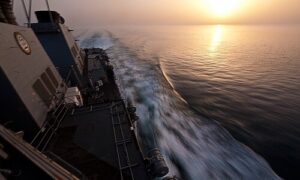

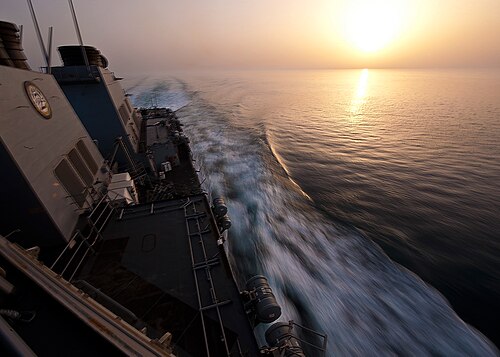
On the third day of a fragile ceasefire between the United States and Iran on April 10, US President Donald Trump issued a stern warning to Tehran over reports of fees being imposed on oil tankers passing through the Strait of Hormuz, as tensions in the region remained high.
“There are reports that Iran is charging tankers transit fees through the Hormuz Strait — they must not be, and if they are, they should stop immediately,” Trump said, signalling concern over the already delicate truce.
He stressed that global oil supply would continue “with or without Iran,” highlighting Washington’s anxiety over any disruption in one of the world’s most critical shipping routes.
In a separate statement, Trump criticised Iran’s management of oil transit, calling it “very poor” and “dishonourable,” and asserting that such actions violated existing understandings.
Meanwhile, shipping activity in the Strait of Hormuz remained disrupted. According to the Associated Press, a Botswana-flagged LNG tanker, Nidi, reversed course after being directed by Iran’s Islamic Revolutionary Guard Corps. Data firm Kpler reported that at least 12 vessels had crossed the strait since the ceasefire, far below the usual daily volume of over 100 ships, suggesting significant disruption.
Security concerns escalated further after a drone strike hit a Kuwaiti National Guard base, causing damage but no casualties. In Baghdad, a drone attack on a major US diplomatic facility prompted US Deputy Secretary of State Christopher Landau to summon Iraq’s ambassador.
Iran denied any role in attacks during the ceasefire, with the Revolutionary Guard stating that any such incidents, if confirmed, could be attributed to Israel or the United States, and that any Iranian military action would be officially announced.
Elsewhere, Israel continued strikes in Lebanon despite the truce, targeting rocket launchers and carrying out air raids that have killed over 300 people and injured nearly 1,000 in recent days. The escalation has further strained the ceasefire, with Israel maintaining Lebanon is not covered under the US-Iran agreement, while Iran argues such actions undermine de-escalation efforts.
Diplomatic efforts also appeared uncertain. Iran reportedly told Pakistan it would not attend planned talks with the US in Islamabad unless a ceasefire is extended to Lebanon. Concerns over security in Pakistan were also raised by former US official Ari Fleischer.
In a separate development, Iran confirmed the death of former foreign minister Kamal Kharazi, who succumbed to injuries from a recent airstrike.
Globally, diplomatic engagement intensified. UK Prime Minister Keir Starmer visited Gulf nations, stressing the importance of safeguarding maritime routes, while South Korea announced plans to send a special envoy following discussions with Iran.
Oil markets reacted to the uncertainty, with Brent crude rising to about $96.75 per barrel and US futures gaining over 1 percent.
The humanitarian situation also worsened. UNICEF warned of a growing toll on children in Lebanon, reporting dozens killed and many more affected in ongoing violence.
Religious tensions surfaced in Iran as well, with Rabbi Younes Hamami Lalehzar condemning Israel after reports that a historic synagogue had been destroyed in recent strikes.