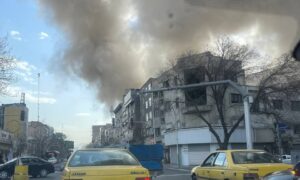

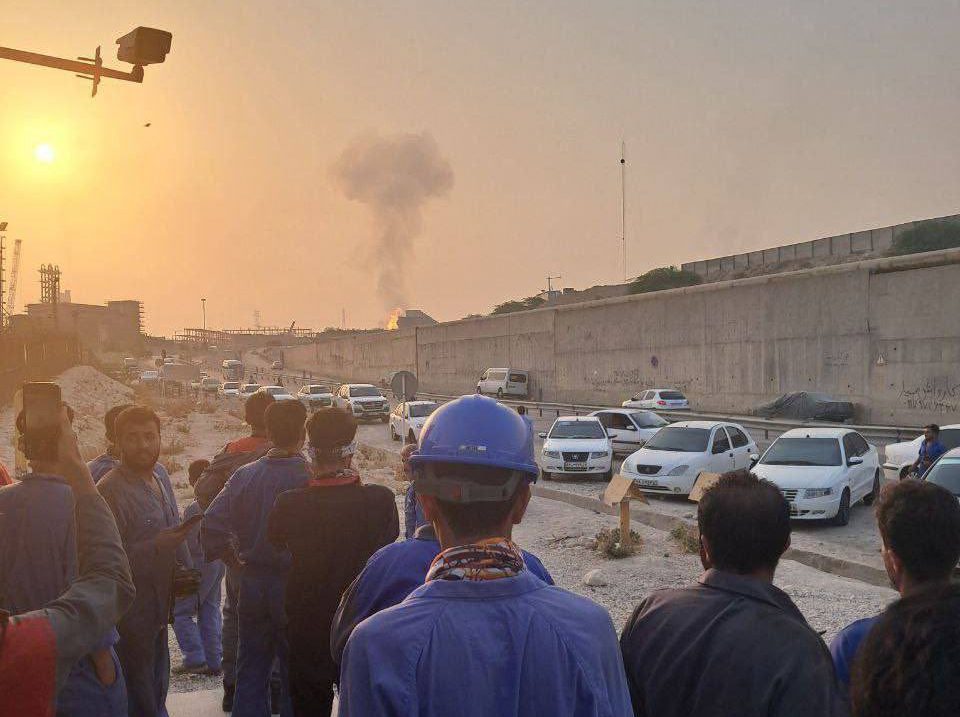
A blaze at Iran’s strategic South Pars gas field has raised fresh alarm over global energy supplies, as Israel’s aerial offensive against Iran continues to escalate.
The fire, reported on Saturday following fresh Israeli strikes, temporarily halted production of 12 million cubic metres of gas from Phase 14 before it was brought under control, according to Iranian media.
The escalation comes after Israeli Prime Minister Benjamin Netanyahu vowed to intensify attacks on Iranian territory, declaring that “what they have felt so far is nothing compared with what they will be handed in the coming days.”
Under Operation Rising Lion, Israel launched one of its most expansive aerial campaigns, targeting over 150 sites across cities including Natanz, Isfahan and Tehran — all key to Iran’s nuclear and military infrastructure. Israeli officials said several high-ranking generals from the Revolutionary Guards and nine senior nuclear scientists were among those killed.
Iran responded within 24 hours, firing over 200 ballistic missiles and drones at Israeli cities in four waves. While Israel claimed most of the projectiles were intercepted — with help from US defence systems — at least three people were killed and dozens injured. In Tehran, a missile strike on a residential high-rise reportedly killed around 60 people, including 20 children.
The violence has thrown diplomatic efforts into disarray. Iran formally suspended nuclear negotiations with the United States, calling talks “unjustifiable” amid ongoing airstrikes. Foreign minister Abbas Araghchi said it was meaningless to continue dialogue while “barbarous Israeli attacks” persisted. Oman, which had been mediating the backchannel talks, confirmed that the process was now off the table.
As tensions rise, Iran has warned of more severe retaliation if Israeli strikes continue. It has also threatened to target foreign military bases — including those of Israel’s regional allies — that assist in intercepting Iranian missiles. A senior Iranian lawmaker and military general, Esmail Kosari, said Tehran was reviewing the possible closure of the Strait of Hormuz, a critical oil chokepoint for global shipping.
Meanwhile, Israel has shown no signs of slowing down. Netanyahu said Israeli air force jets would soon be “seen over the skies of Tehran,” and defence minister Israel Katz added that “Tehran will burn” if missiles continue to land on Israeli soil.