
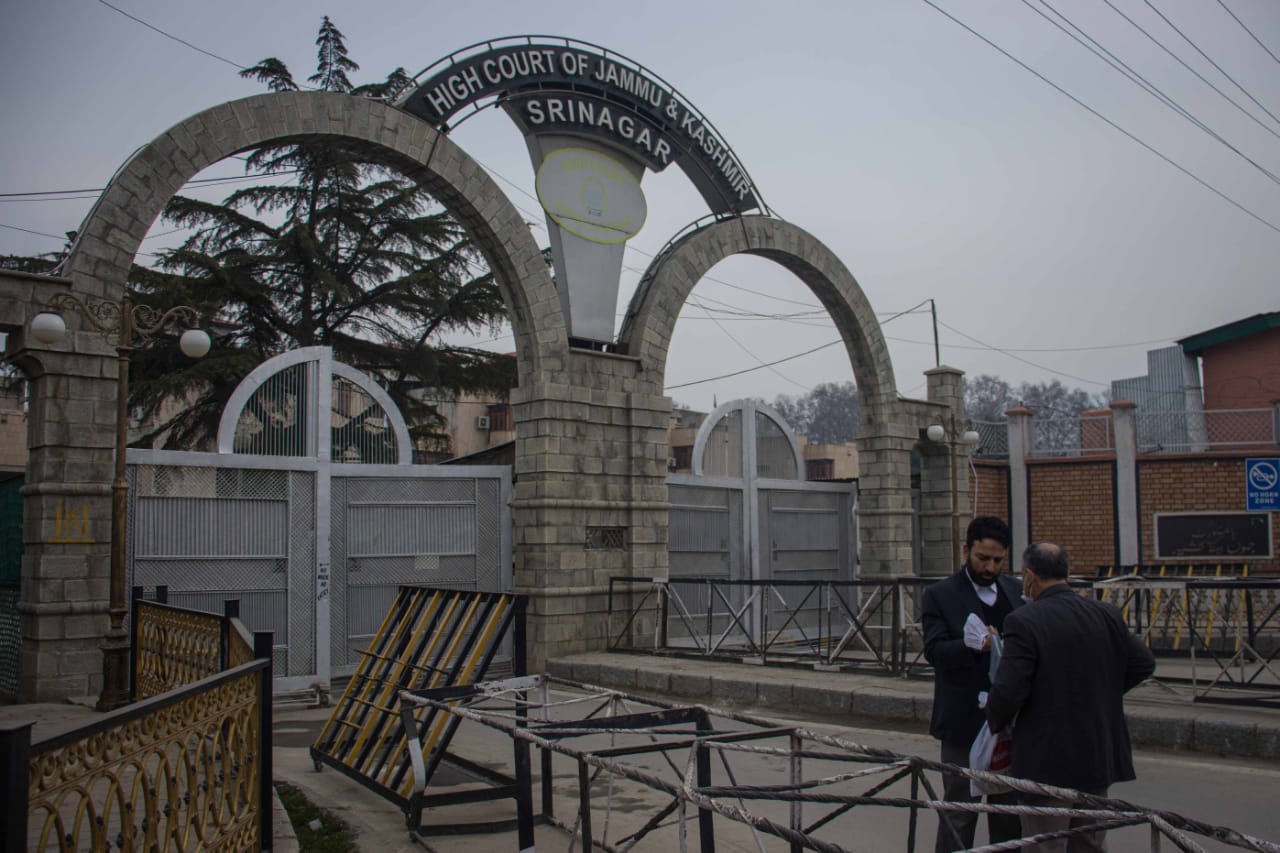

Srinagar: In a development concerning the constitution of the Jammu & Kashmir Commission for Protection of Child Rights (JKSPCR), the Hon’ble High Court of Jammu & Kashmir and Ladakh at Srinagar has directed that the ongoing selection process for the posts of Chairperson and Members shall remain subject to the outcome of a writ petition filed by Dr Shahid Ahmad Ronga, a child-rights expert and academic.
The petitioner, represented by advocate Zubair Ahmad, has challenged Advertisement Notice No. SWD-ICPS/55 dated 18, 10, 2024, alleging that the Social Welfare Department arbitrarily altered the legally-prescribed eligibility criteria and ignored well-qualified candidates in the shortlist issued for interviews in October 2025.
Dr Ronga, who possesses a PhD in Law along with advanced qualifications and nearly 15 years of experience in advocacy, child protection and juvenile justice, contends that he was inexplicably excluded from the shortlist, while several candidates with far lesser qualifications allegedly made the cut.
He argues that he is not the only one with superior credentials who has been left out; multiple other applicants holding higher academic qualifications have also found themselves outside the shortlist, while some candidates with only basic degrees have been included. This, according to the petitioner, casts serious doubt over the integrity of the process and suggests that the selection exercise may have been guided by questionable considerations rather than merit and fairness.
He asserts that the authorities unlawfully introduced “Management” as a qualifying discipline, a field not included in the Commission for Protection of Child Rights Act, 2005. Moreover, the points-based merit system announced in the advertisement was allegedly disregarded altogether, with no marks, criteria, or reasons for rejection made public, thereby violating transparency requirements and principles of natural justice.
After hearing the matter, Hon’ble Justice Rajesh Sekhri issued notice to the respondents and asked them to take “requisite steps within a week’s time.”
The case is now listed for February 4, 2026. Importantly, the Court has clarified that the selection process already initiated will be contingent on the outcome of this petition, preventing any irreversible decisions and effectively safeguarding the petitioner’s rights.
Child-rights advocates say that this case raises broader questions about accountability in the appointment of key statutory institutions tasked with protecting minors. The petitioner maintains that such bodies must be headed by individuals with genuine subject-matter expertise, not through political convenience or bureaucratic overreach.
For many within the child protection ecosystem, this controversy is a moment of reckoning. These posts are far from ceremonial, they involve monitoring rights violations, shaping child-centric policy, and serving as a voice for vulnerable children who often cannot advocate for themselves. As Dr. Ronga argues, if the system stumbles at the very stage of choosing its watchdogs, the legitimacy of the entire institution stands threatened.
As the legal proceedings continue, civil society and professional circles are closely watching. Will the Commission emerge as a credible guardian of children’s rights in Jammu and Kashmir, led by experts truly capable of the job? Or will the credibility of the selection be overshadowed by arbitrariness and shortcuts?
The answer now lies with the Court, and with the administration’s commitment to building a stronger, safer, and more just future for every child across the Union Territory.