
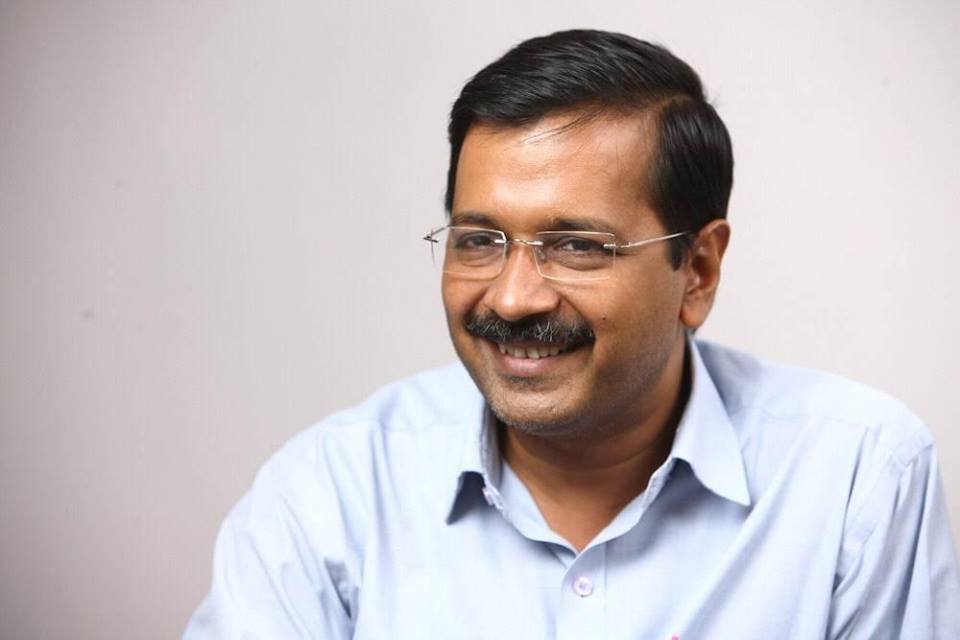

New Delhi: Former Delhi Chief Minister Arvind Kejriwal has said he will not appear before the Delhi High Court bench of Justice Swarana Kanta Sharma, which is hearing a plea against his acquittal in the excise policy case. In a letter to the judge, Kejriwal said he has lost faith in her ability to deliver justice. This comes shortly after the judge rejected his request seeking her recusal from the matter.
Kejriwal alleged a conflict of interest, claiming that the judge’s children, who are empanelled as lawyers for the central government, have professional links with Solicitor General Tushar Mehta, who is representing the opposition in the case.
Invoking Gandhian principles of satyagraha, Kejriwal said he would neither appear in court nor be represented by legal counsel before this bench. He stated that the proceedings do not meet the standard that justice must not only be done but must also be seen to be done. Calling it a decision guided by his conscience, he added that he would keep legal options open, including approaching the Supreme Court.
Legal experts, however, warned that his absence could invite coercive action. They noted that in such cases, the accused is typically bound to appear during appeal proceedings, and failure to comply may lead to the issuance of bailable and later non-bailable warrants.
Earlier, Justice Sharma had refused to step aside from the case, firmly rejecting allegations of bias. Emphasising judicial independence, she said her duty is to the Constitution and that she would decide the case impartially and without pressure. The court also observed that claims of bias must be backed by concrete evidence, which was lacking in Kejriwal’s plea. It cautioned against eroding public trust in institutions and said recusal without valid grounds would amount to abdication of duty.
Kejriwal had cited concerns over the judge’s alleged association with events linked to the RSS-affiliated Akhil Bharatiya Adhivakta Parishad and her children’s professional roles. The court dismissed these arguments, stating there was no direct connection to the case.
The matter arises from a challenge by the CBI to a trial court order that had discharged Kejriwal and others in the excise policy case. The High Court had earlier pointed out possible errors in the lower court’s findings, leading to further proceedings.
Maintaining that the case is politically motivated, Kejriwal’s refusal to participate marks a significant escalation, introducing a protest-driven stance in an ongoing legal process. His possible move to the Supreme Court could determine the next phase of the case, even as proceedings continue in the High Court without his participation.