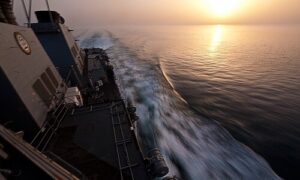

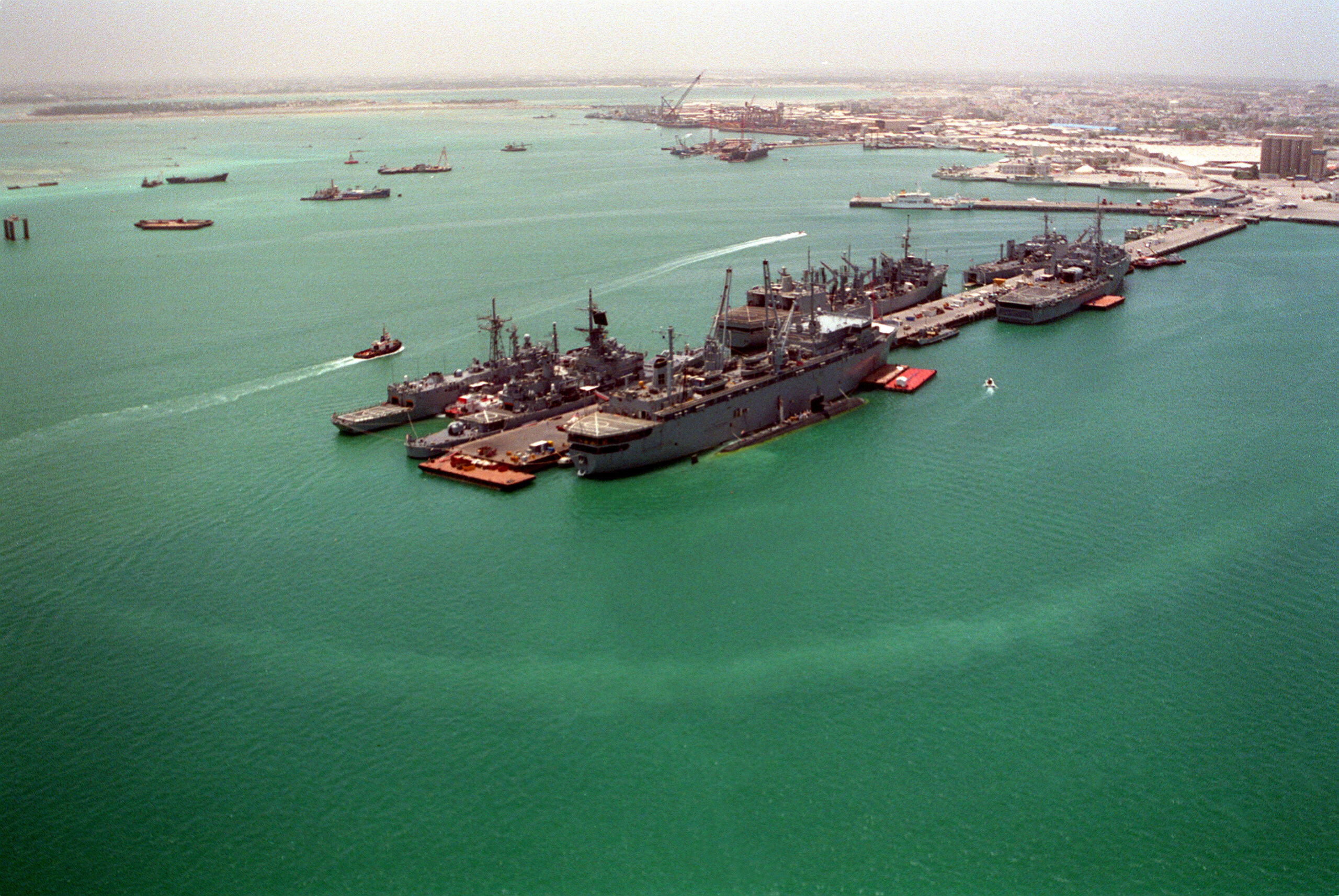
Bahrain says a missile attack has targeted the US Navy’s 5th Fleet headquarters in the country, while a missile has been intercepted in Qatar, international media reported.
An explosion has also been reported in Abu Dhabi, the capital of the United Arab Emirates, while countries across the region have shut their airspace.
Authorities in Bahrain said the strike was aimed at facilities linked to the US Fifth Fleet, a key formation responsible for safeguarding shipping routes in the Gulf. Air defence systems were activated across neighbouring Qatar, where officials confirmed a missile interception, as security alerts rippled through Abu Dhabi in the United Arab Emirates.
The developments came after the United States signalled a dramatic escalation in the conflict, with President Donald Trump announcing that “major combat operations” had begun against Iran following earlier strikes by Israel.
In response, Iran’s elite Islamic Revolutionary Guard Corps said it had launched its first large-scale wave of retaliatory missile and drone attacks toward Israeli territory, describing the barrage as the start of a sustained response.
Multiple explosions were heard in Tehran, with additional blasts reported in several other locations nationwide as air defence units engaged incoming threats. The scale of the exchange has raised fears that the confrontation, initially centred on direct strikes between the rival powers, is expanding into a region-wide security crisis involving strategic Gulf states that host Western military assets.
There was no immediate detailed official reaction from Tehran, though state media reported that President Masoud Pezeshkian was “safe and sound.”
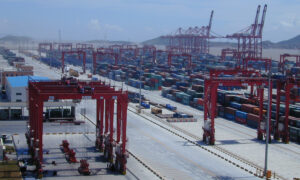
Regional governments have since restricted airspace and heightened security around critical infrastructure, including ports and energy installations, amid concerns that further retaliatory actions could disrupt vital shipping corridors and draw additional countries into the conflict. Analysts warn that the targeting of Gulf-based facilities marks a significant broadening of the battlefield, increasing the risk of prolonged instability across one of the world’s most strategically important regions.