

Pakistan’s capital Islamabad continues to remain under tight movement restrictions, with major roads closed and public transport suspended, as uncertainty persists over the proposed US-Iran peace talks expected to be hosted in the city.
Authorities in Islamabad and neighbouring Rawalpindi had imposed restrictions earlier this week amid indications that high-level delegations from the United States and Iran could arrive for negotiations. However, with no official confirmation of dates or visits, the measures have remained in place, causing widespread disruption.
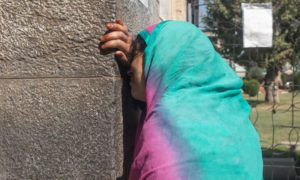
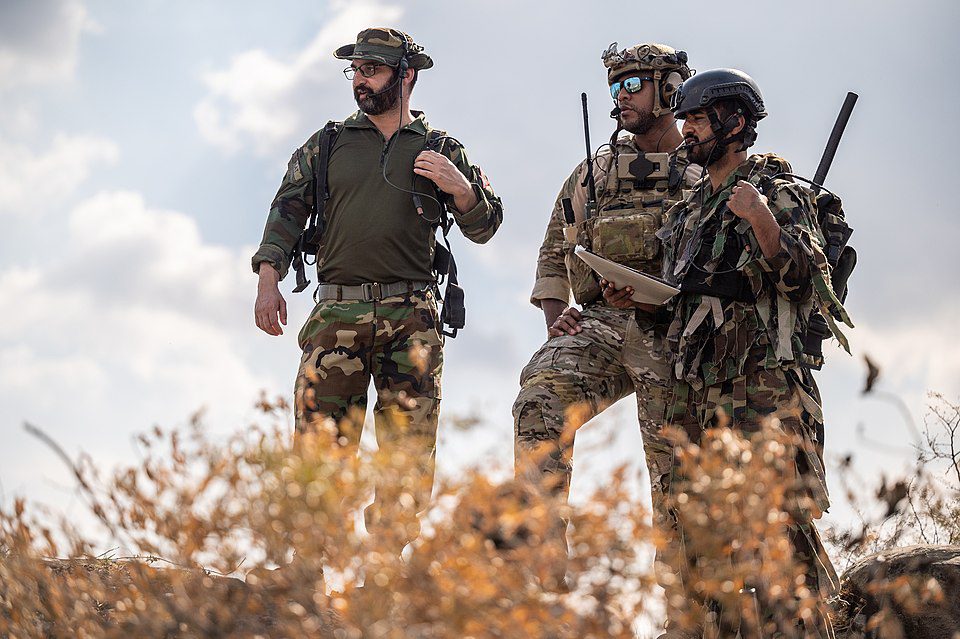
More than 10,000 security personnel have been deployed across key areas, particularly around the Nur Khan Airbase and the Red Zone. Roads, markets, and banks near the old airport have remained shut for several consecutive days, affecting daily life in localities such as Shah Faisal Colony, Khalid Colony, Gulzar-e-Quaid and Fazal Town.
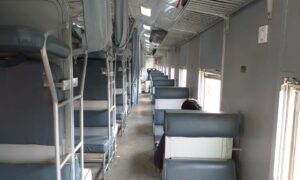
Public transport services, including the Metro Bus connecting Islamabad and Rawalpindi and electric buses operating on multiple routes, have been suspended since April 19. Goods transportation has also been halted, adding to logistical challenges and public inconvenience.
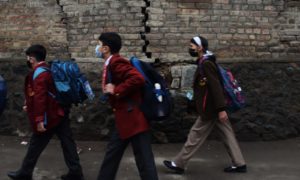
While schools and colleges remain open, several universities have shifted to online classes. Government offices in high-security zones are functioning remotely.
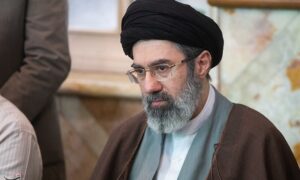
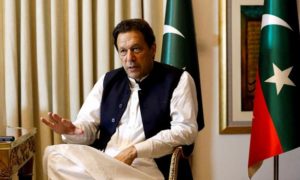
Despite the lack of clarity, Pakistani authorities continue diplomatic efforts to bring both sides to the negotiating table. The first round of talks held earlier this month failed to yield a breakthrough, and Iran has yet to confirm participation in a second round.
Officials say preparations remain ongoing, signalling that Islamabad is still positioning itself as a potential venue for renewed dialogue.