
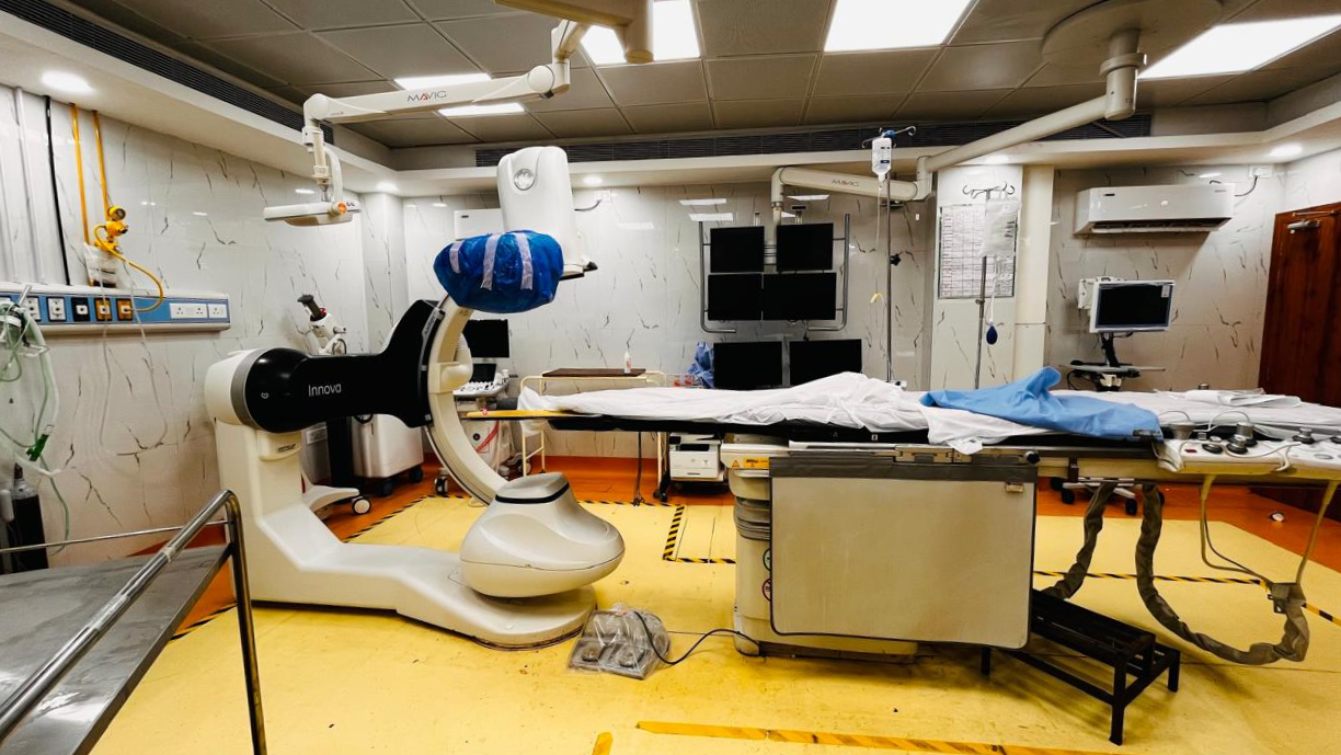

The cardiologist who built Kashmir’s busiest heart lab now fights to save his own reputation. He says all procedures were medically justified as the departmental inquiry continues.
Until last year, a heart attack in south Kashmir often meant a race against time to Srinagar.
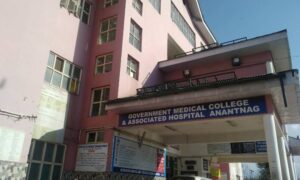
There was no cardiac catheterisation laboratory at the Government Medical College (GMC), Anantnag.
Then, in April 2025, Dr Syed Maqbool Ahmad Shah opened one.
And within a year, the new facility had handled nearly 3,500 cardiac procedures, including roughly 1,500 life-saving interventions for heart attack patients, 1,500 coronary stenting procedures and 500 pacemaker implantations.
This was an extraordinary volume for a service that did not exist before.
Now the cardiologist who built that record is fighting to save his career.
Suspended pending a departmental inquiry, Dr Shah broke his silence in an exclusive telephone interview with Free Press Kashmir (FPK), giving his most detailed public response to the allegations that have shadowed him since a government memorandum surfaced accusing him of systematic fraud.
The doctor denied every charge and said the evidence he has already submitted to authorities will vindicate him.
“I don’t understand how a doctor working in the government setting can keep the public welfare funds in his pocket,” he said.
The memorandum targets his conduct under the PMJAY-SEHAT scheme, the cashless health coverage programme that was designed to spare low-income patients the financial burden of major procedures.
Investigators allege that Dr Shah deliberately misrepresented records maintained on two separate administrative systems, creating false clinical pretexts to siphon scheme funds.
But the doctor rejected that claim outright: “The records are properly maintained, identical, and do not vary at all. I submitted a point-by-point documentary rebuttal to the government, addressing each allegation in sequence.”
The most sensitive dispute centres on the Left Bundle Branch Area Pacing (LBBAP) procedure, an advanced pacemaker technique that the State Health Agency stopped approving under the PMJAY-SEHAT cashless framework.
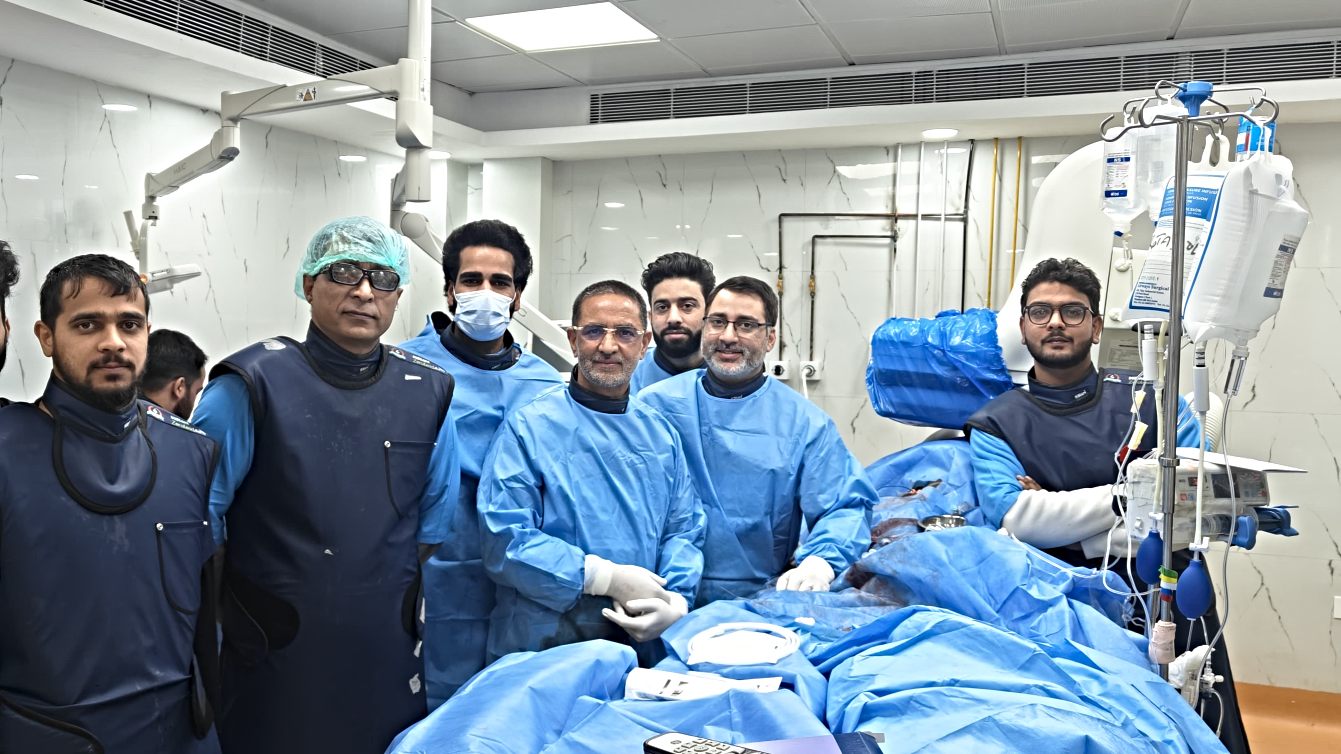
Dr Shah contends that when coverage lapsed, some patients, already committed to the procedure and understanding its benefits, voluntarily chose to purchase the devices themselves through the government-authorised AMRIT pharmacy counter inside the hospital.
One patient named in the memorandum, he said, submitted a written affidavit confirming the decision was voluntary. FPK reviewed a copy of that affidavit.
This reporter also reviewed a video statement from the same patient, which is withheld to protect the individual’s identity, in which the patient said no medical professional compelled the payment.
The allegation that Dr Shah sourced devices through private vendors, bypassing the hospital’s institutional procurement system, drew an equally firm denial.
“I have and will never bypass any institutional guidelines and procurement rules,” the cardiologist at the centre of controversy said.
Perhaps the most damaging charge in the memorandum accuses him of performing advanced LBBAP procedures on patients who had no clinical need for them, essentially subjecting healthy people to invasive surgery.
Dr Shah called that allegation false and fabricated.
“It is impossible to perform highly advanced and invasive procedures on patients without any medical warning,” he said.
“Government hospitals are overcrowded and doctors are already burdened with an enormous patient load. We simply don’t have time or reason to perform such advanced procedures on healthy people.”
He said that every LBBAP procedure he performed was carried out only after approval from the State Health Agency and a detailed clinical assessment.
The government has confirmed that a formal departmental inquiry will examine the allegations before any final determination is made.
That process, standard in cases involving senior medical officers, could take months.
Dr Shah said he welcomes the scrutiny, but what he cannot accept, he said, is the cost already incurred.
“We built one of the most robust cardiac care systems in Jammu and Kashmir within a year,” he concluded. “It is painful that instead of recognising this work, my integrity and professional honesty have been questioned.”